Best Countries to Immigrate With Children in 2026 — Comparison & Advice
Best Countries to Immigrate With Children in 2026 — Comparison & Advice
16-minute read
773 views
Share
Alexander Kosovskiy
Investment Citizenship Expert
Last edited: March 6, 2026
Contents
If you’re planning to relocate abroad with children in 2026, some of the best countries to consider are Greece, Portugal, Cyprus, Turkey, Canada, Germany, Finland, and New Zealand. These destinations combine strong education and healthcare systems with high levels of safety, family-friendly environments, and clear legal pathways to residency. Choosing the right country involves more than just visa access — it means ensuring your children can adapt easily, receive quality schooling and medical care, and grow up in a supportive and stable society. In this guide, we compare top destinations and share practical advice to help you make an informed decision and prepare your family for a successful move.
Quick Overview of Best Countries for Families in 2026
Canada: Safe, inclusive, excellent schools and healthcare.
Finland: World-class education and free healthcare for kids.
New Zealand: Safe, nature-focused, flexible education.
Portugal: Warm, affordable, welcoming to expats.
Greece: Safe, relaxed, residency via €250,000 property.
Cyprus: English-speaking, family-oriented, investment residency from €300,000.
Turkey: Affordable, simple visa process, strong community support.
What Should You Consider When Choosing a Country for Immigration With Children?
When choosing a country for immigration with children, consider the quality of education, healthcare access, safety, cost of living, and the ease of obtaining legal residency. It’s also important to assess how well your child will adapt to the language, culture and daily life in the new environment.
Looking to combine relocation with smart property investment? Explore our expert guide to the best global real estate markets — discover where your money goes further and opens the door to residency.
Quality of Education & Future Prospects
Great education extends beyond comfort at school — it paves the way for future careers.
In some countries, children can join kindergartens or schools even without a residence permit. In most European countries, it’s permitted only after parents have obtained legal residency. Education is delivered in the national language, which may pose challenges — so private or international schools may be preferable.
When pursuing higher education abroad, one can often apply for a student residence permit. In countries such as Germany and Greece, public universities are free apart from a small semester fee, while in the UK and USA, tuition costs can be significantly higher.
There’s no single best option. Compare conditions across countries and consider — how long do you intend to stay? If you may relocate again in a few years, choosing a school that teaches a widely used language makes sense.
Healthcare & Medical Costs
Emergency care is typically free in most countries, but routine medical care often requires residency — and while insurance may help, families might still bear some cost, especially for specialists or elective treatment. Before moving, investigate the healthcare system: Can you access public clinics for free? If not, how much does insurance cost and what about private care?
Safety & Attitude Towards Immigrants
For families, choosing a country (and neighbourhood) that’s safe — without street crime, hostility or prejudice — is vital. Look beyond statistics — investigate how well the authorities operate, street‑camera monitoring, evening safety, and how much trust people place in police. Official rhetoric matters, but everyday friendliness toward newcomers can vary even within regions.
Cheap rent often conceals neighbourhood issues — noise, crime, unsafe environments for children. Locals may avoid these places, but newcomers might not notice immediately. Check reviews, local forums, and firsthand accounts. If possible, visit the target city and assess how safe and comfortable it really feels for families.
Cost of Living: Housing, Food & Childcare
Housing, groceries, clothing, and child-related expenses can vary widely from one country to another, so it’s important to plan your budget based on actual living costs rather than average salaries. Rent is often the largest initial expense, especially in safe, well-developed areas of major cities. While more affordable options can be found outside tourist zones in countries like Greece or Portugal, even suburban apartments in the UK or Canada can come with a high price tag.
Other costs — food, clothes, nursery fees, extracurriculars, transport, insurance — can quickly add up. Some countries offer state support: rental subsidies, free school breakfasts, benefits for larger families. In others, all costs fall on the family. As a rule of thumb, budget for double your usual monthly expenses during the first 6 months to allow for a smoother adjustment period.
Environment & Infrastructure
Good environmental conditions matter, especially if children have allergies or health issues. Countries with high ecological standards monitor air and water quality, invest in green energy, and limit transportation and industrial emissions.
Infrastructure matters too: playgrounds, pedestrian zones, ease of reaching school or clinic. In many countries, public parks may be far away or require transportation, whereas in the UK or the US, many neighbourhoods offer playgrounds and green spaces within walking distance. Consider how convenient daily life will be for a young child.
Legalisation & Residency Conditions
To relocate, you’ll usually need a residence permit or citizenship. Without legal status, enrolling children in school, arranging insurance, or signing a lease can be impossible — let alone risks of deportation or barred re-entry. This is a central issue to research early: learn about residency pathways, required documents, and consult a lawyer to evaluate your chances.
One of the fastest, most effective ways to move is via investment-based golden visa programmes — available in some countries. They offer minimal risk, legal clarity, and long-term reliability. But you should understand entry thresholds, inclusion of children in applications, resident rights, and when citizenship becomes available.
Astons specialises in global citizenship and residency by investment. Contact our experts for free advice: we’ll help you find and navigate the best solution.
What are Top Countries to Immigrate with Children?
OECD, UNICEF and other global organisations rank Greece, Cyprus, Portugal, Canada, Turkey, Germany, Finland, and New Zealand as offering the best conditions for families with children — aspects such as environment, safety, economic stability, access to education, and overall child well‑being are considered. However, relocating to top-tier countries can be challenging — legalisation is often strict and integration can take time.
Greece
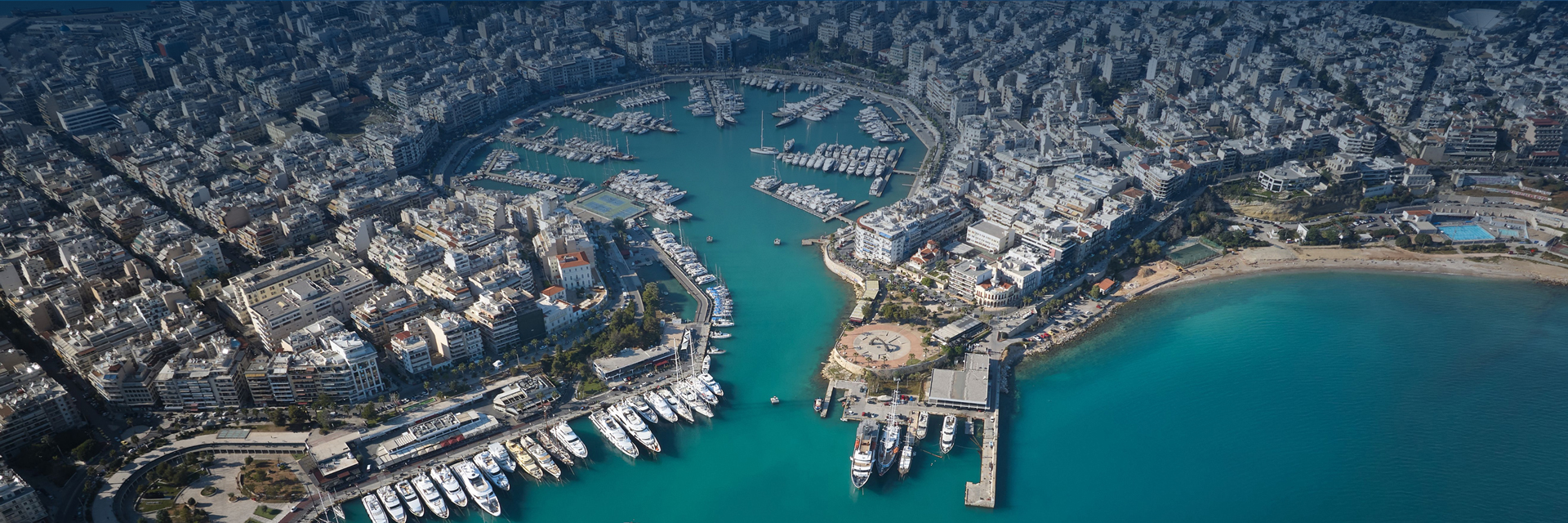
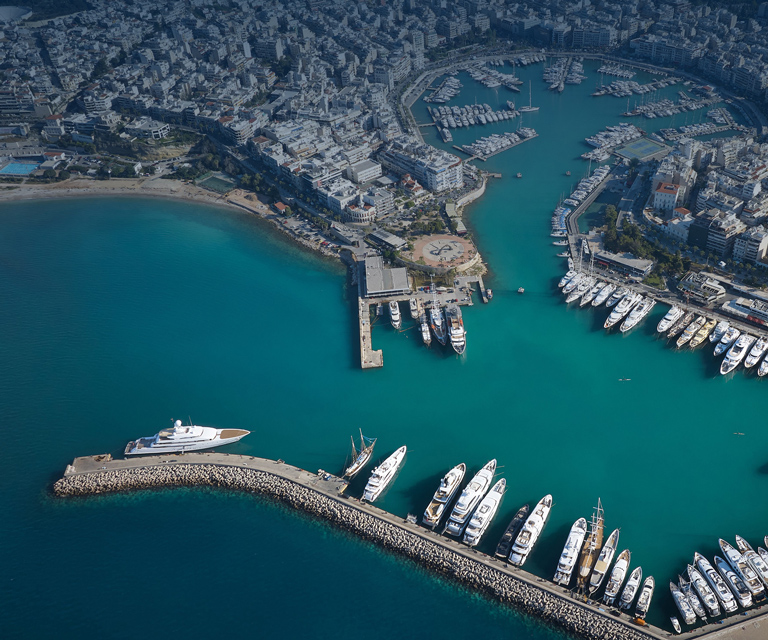
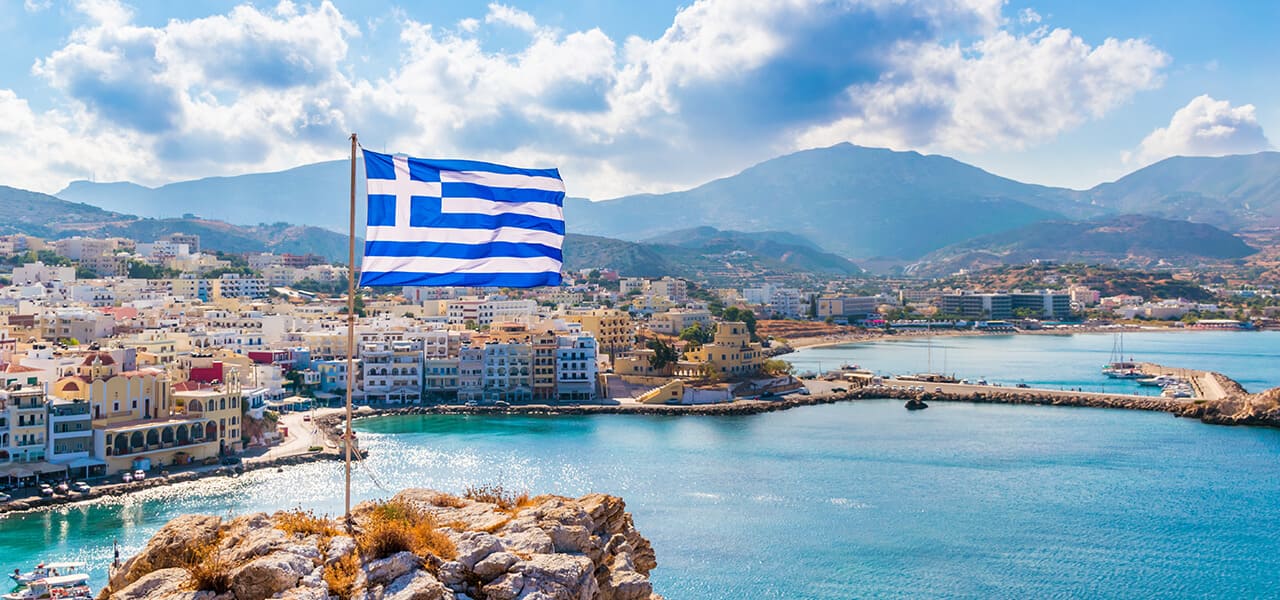
Greece is among the most affordable European choices for families. It offers a pleasant climate, relaxed pace of life, solid infrastructure and accessible legalisation. It’s also one of the safest EU countries — especially smaller towns and islands. Locals treat children with respect and care — even strangers often help families in queues or cafés.
Public schools are free and accept children regardless of parents’ status. Instruction is in Greek, though some cities offer English‑, French‑ or German‑oriented schools. Private schools cost from €3,000/year. Public nurseries are free but competitive to enter; private ones cost €150–400/month. Many schools teach two foreign languages.
Health care is free for children if at least one parent is officially employed or self-employed — included in the state insurance system. Private health insurance from €25/month offers fast access to paediatricians and specialists. English-speaking medical services are easy to find in popular expat areas.
Family values are deeply rooted in Greek culture — parents engage closely in schooling, festivals and projects, fostering strong belonging for children. Greece also offers a Golden visa program: purchase property over €250,000 to obtain a 5-year renewable residency for yourself, a spouse, children up to 25, and even parents.
Read our detailed article on where to buy property in Greece to qualify for the Golden Visa — featuring the best neighbourhoods and investment tips.
If you are considering moving to Greece, Astons’ team will gladly support you at every stage — from obtaining residency through real estate investment to settling into your new life with confidence. Our relocation assistance covers the essentials: school search, healthcare guidance, bank account opening, and practical on-the-ground support to help your family integrate smoothly.
Portugal
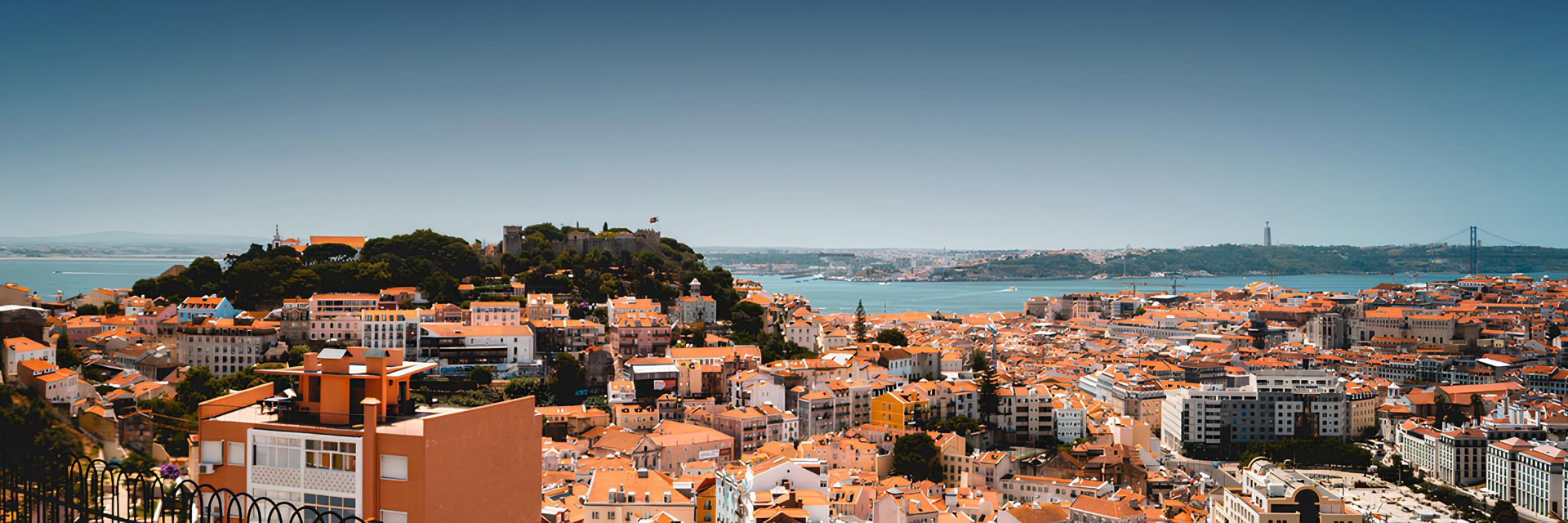
Portugal is among Europe’s friendliest countries for migrants — thanks to its security, mild climate, affordable cost of living and open immigration policies. Families note children adapt easily due to expat communities, many extracurricular options and welcoming locals.
Education is free for all children — even without residence status — and they can be enrolled immediately in public schools. Private schools offering instruction in English or French cost around €5,000/year. University places for foreigners are limited and fees average €2,000–4,000/year. Nursery costs typically range €150–300/month, with subsidies for low-income families.
Healthcare operates via national insurance: emergency care is free, but routine services require a social security number (NIF and local registration). Private insurance starts at €50/month per adult; children cost less. English-speaking paediatricians can be found in smaller cities of Portugal, although they are more concentrated in larger urban centres like Lisbon, Porto, and the Algarve region.
Portugal has a golden visa program: invest at least €500,000 and obtain a renewable 5-year residence permit for yourself, your spouse and children up to 26.
Cyprus
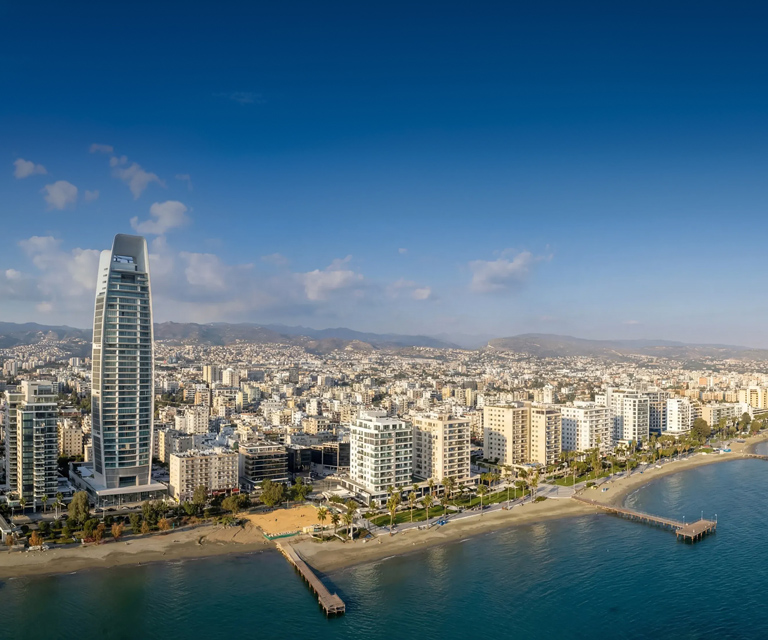
Cyprus is clear-cut and appealing for families: English is widely spoken, locals are friendly, the climate is mild, and safety is high.
Public schools are free, though teaching is in Greek. Private British schools teach to high standards. Public daycare is hard to access due to queues; private daycares cost around €200/month and offer many language-focused activities.
Healthcare is delivered via the national system GESY. Children with residence status receive nearly free medical access. Private medical insurance starts at €30/month. Clinics adhere to European standards — paediatric visits have low waiting times.
Cypriot culture emphasises strong family values — children are welcome in social settings, and schools communicate closely with parents. Cyprus also provides an investment residency program: purchasing property above €300,000 plus VAT qualifies the family for permanent residence.
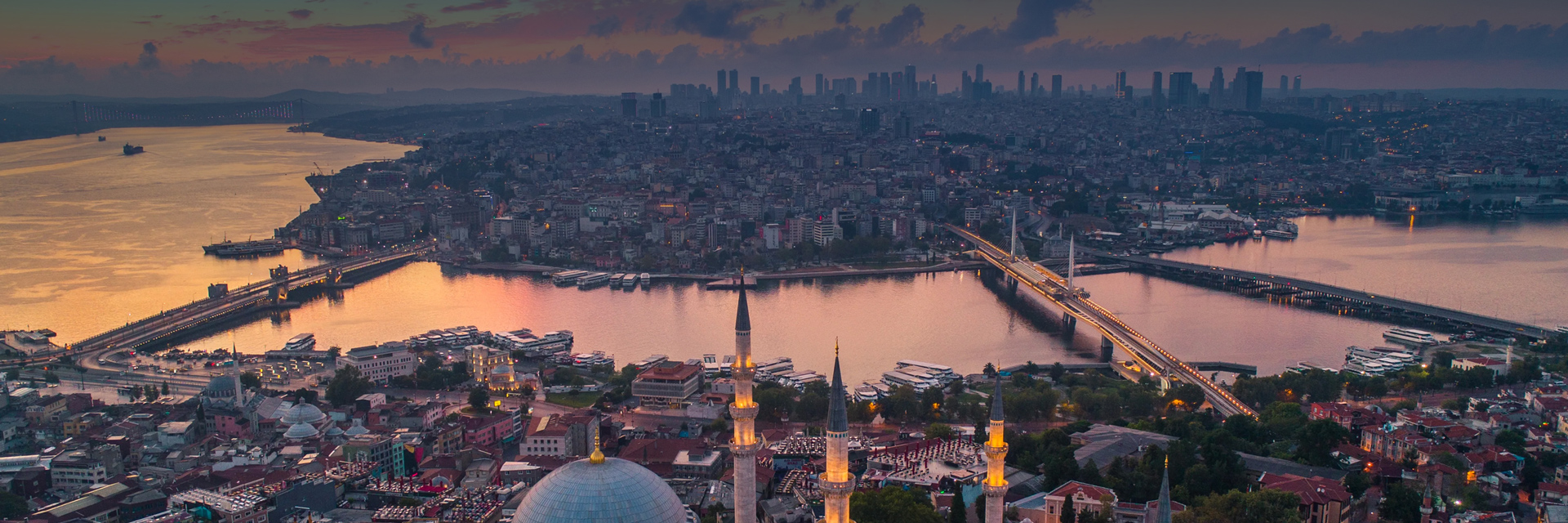
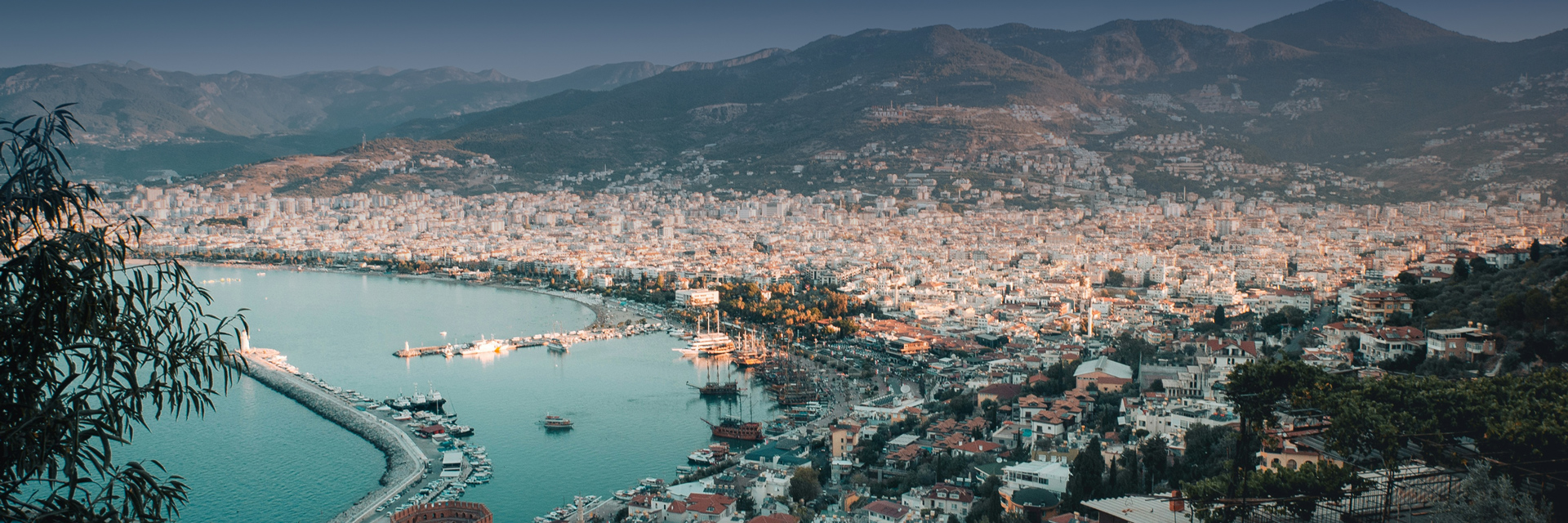
Turkey is a popular choice for families from the UK and US seeking a warm climate, relatively low cost of living, and straightforward residency options. The culture is strongly family-oriented, and children are treated with great affection and kindness — even by strangers.
Public education is delivered in Turkish, so children without language skills may find it challenging to adapt. However, private international schools are widely available, offering instruction in English, French, or German. Fees typically start from around $3,000 per year. Nurseries are mostly private, with costs ranging from $200 per month in smaller towns to around US $800 in Istanbul.
Emergency healthcare is free of charge. For routine care, residents can access state-funded services by enrolling in the national insurance system (SGK), which includes children’s clinics and specialists. Private paediatric care is affordable, with consultations starting from approximately $30 per visit.
Large English-speaking and international communities are well-established in major cities and coastal areas, making integration easier for expat families from the UK and US.
Turkey also offers investment-based residency and citizenship programs: a property purchase of $200,000 qualifies for residency, while a $400,000 investment can lead to citizenship.
Canada
Canada is consistently rated among the best countries for families—thanks to its safety, strong education system and high-quality healthcare.
People are respectful of children’s needs: in public transport families get priority, cafés provide child seats, and public spaces include accessible features. Many migrants report support from both the state and community, especially during early adaptation.
Public schools are excellent, but international families often pay around $15,000 per year. Daycare costs around $700–1,000 per month. Higher education costs between $10,000 and $35,000 annually but Canadian degrees are widely recognised and the country ranks 4th globally in education quality (World Population Review).
Healthcare is one of the world’s best — residents enter a state insurance programme and receive free medical care after legal status is granted.
Germany
Germany is stable, with strong social support, and highly popular among migrants, which make up over 20% of the population with their children. The country runs an integration policy offering language courses, educational access and employment opportunities.
Family support is robust: families get Kindergeld (approximately €250 per month per child) soon after registering their residency, regardless of citizenship — no strings attached.
State schools are free, and universities charge only small semester fees. Daycare costs vary but may be reduced or subsidised based on income. Healthcare is part of a mandatory insurance system — once you have residence, the family joins public health insurance and children get full access, free of charge.
Finland
Finland is widely considered one of the best countries for children — with top marks in safety, environmental quality and education. The society strongly supports families, and the state invests heavily in child programmes.
Children are entitled to a spot in daycare regardless of parents’ status; fees are income-based (from symbolic to about €300/month). Basic education is free, including meals, books and school trips. Language support classes help migrant children adjust. Private English‑language schools exist, yet places are limited.
Healthcare is a national strength: all children receive free medical care—routine exams, vaccinations and specialist visits included. Family doctors, paediatricians and school nurses provide coordinated care.
Finnish society trusts children — kids walk to school alone, cross roads safely, organise games independently — and public spaces feel secure and normal for independent children.
New Zealand
Often in the global top‑10 for quality of life and safety, New Zealand emphasises child protection and autonomy — corporal punishment is strictly prohibited, and children under 14 may not be left unsupervised by law.
Education is flexible and child‑centred, focusing on critical thinking and independence. State schools are free if one parent holds a PhD or master’s programme place and the other has a partner work visa; otherwise fees apply. Children aged 3–5 get 20 hours of free early childhood education. Many preschools offer multilingual staff, including Arabic, Mandarin, Hindi, Japanese, etc.
Parental involvement in school life is expected — meetings, volunteering and school events are common. Universities are well ranked but tuition is fee-based. Health insurance is mandatory for the family and covers most services, including emergencies.
Side-by-Side Comparison Table
Country
Schools
Healthcare
Living Costs
Minimum Threshold
for Golden visa
Canada
Excellent public/private
Strong public insurance after residency
High, especially in cities
Unavailable
Germany
Free public schools
Public insurance; free child care for kids (Kindergeld)
Moderate; subsidies available
Unavailable
Finland
Free education including meals/books
Free child healthcare
Moderate; income-based daycare fees
Unavailable
New Zealand
Child‑focused schools
Mandatory health insurance
Moderate to high; visa-related costs
~$3M (fund investment)
Portugal
Free public schools
National health insurance requires registration
Lower than many Western countries
€500,000 (fund investment)
Greece
Free schools, some private
Child healthcare via insurance; low-cost private options
Affordable outside major hubs
€250,000 (property purchase )
Cyprus
Public and well‑rated private schools
National system plus low-cost private care
Affordable; property prices moderate
€300,000 (property purchase)
Turkey
Free public, numerous private‑language schools
State insurance and low‑cost private care
Lower, especially in smaller cities
$200,000 for residency or
$400,000 for citizenship (property purchase)
Step‑by‑Step Immigration Guide
Step 1. Choose Your Destination, City & Neighbourhood
Compare where residency is easiest, adaptation smoother, schools and healthcare better — and align with your goals. Investigate family‑friendly areas and migrant support services.
Step 2. Review Entry & Residency Conditions
Identify available visa options, who may be included in your application (children, partner), document requirements, and processing times. Note any special needs — for example, school admission forms, translated medical records, custody permissions.
Step 3. Gather Required Documentation
Typically: passports, birth certificates, education and health records, photos, document translations, notarisations.
Step 4. Apply for Visa or Residency
Choose the route that suits you: student, work, family reunification or investor programme. Some countries allow online applications; others require in-person submission. Processing times range from a few weeks to several months.
Step 5. Secure Accommodation
Proof of address is often required for school enrolment or visa processing. Landlord agreements or deeds may be needed — check country‑specific requirements.
Step 6. Enrol Your Children in School
Check enrolment periods, required documents, and if remote application is allowed. Be aware of language preparation classes if needed.
Step 7. Acquire Health Insurance
Many countries require insurance at visa application stages. Determine if a group family policy is needed, what coverage must be included, and whether international plans are accepted.
Step 8. Prepare Children for Adaptation
Moving is stressful. Familiar food, toys, language support, and staying in touch with friends can help. Plan for how you’ll find communities and help your child feel at home.
Ready to start your family’s new chapter abroad?
Astons offers expert guidance on immigration, residency, and citizenship for families. From education and healthcare to legal pathways and property investment, we handle the details — so you can focus on your future.
Learn more
Request a Free Consultation
Book a free consultation today and let our specialists help you choose the best country for your family.
Which countries are easiest to receive families with children?
Countries with clearly defined residency routes — such as Greece, Portugal, Turkey, and Cyprus — are generally easier.
Alexander Kosovskiy
Senior Citizenship & Residency Advisor
Do children need to pass exams for permanent residence / visas?
No. Children are usually included in a parent’s application and do not require separate language or eligibility tests.
Where do children get the best education abroad?
Finland, Canada, Germany and New Zealand all have strong public school systems and universities ranked among the world’s best.
Alexander Kosovskiy
Senior Citizenship & Residency Advisor
Which documents are needed for child visa applications?
Passports, birth certificates, photographs, medical certificates, insurance, consent from the other parent (if applicable). Sometimes school or nursery enrolment letters are required.
Alexander Kosovskiy
Senior Citizenship & Residency Advisor
How to arrange housing and insurance for a child?
Accommodation is usually registered under the parent’s name — once registered, enrolling a child is straightforward. Most countries require health coverage for children — either public or private. Policies can often cover the entire family.
Alexander Kosovskiy
Senior Citizenship & Residency Advisor
Still have questions?
Not sure what’s right for you? Let’s talk it through together.













 +44 207 043 6026
  +357 252 30233
  +971 454 01311
  +902 129 008 710
  +302 112 340 656
  +1 (888) 2033901


 16-minute read
  16-minute read
  773 views
  Share
Share 





 Learn more




 Your Data is Protected