São Tomé and Príncipe Expat Guide: Language & Cost of Living
São Tomé and Príncipe Expat Guide: Language & Cost of Living
6-minute read
670 views
Share
Susanna Uzakova
Senior Citizenship & Residency Advisor
Last edited: March 7, 2026
Contents
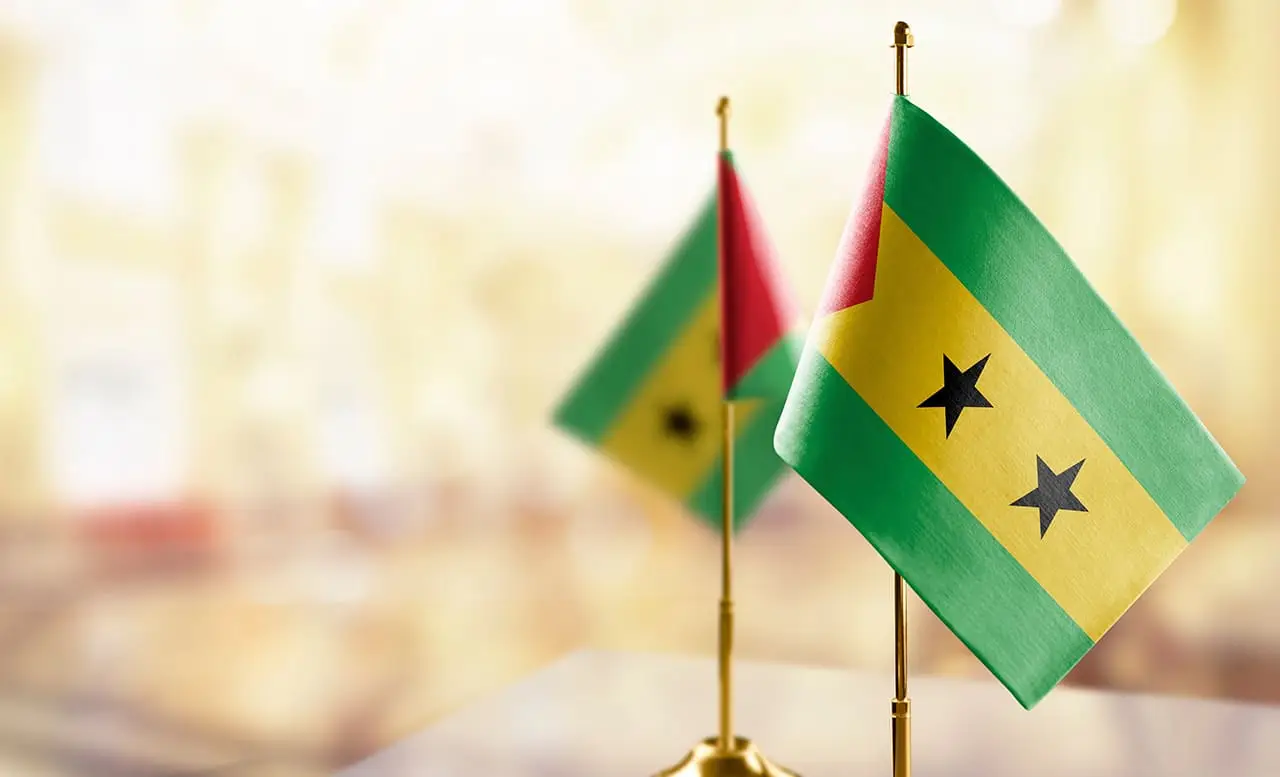
São Tomé and Príncipe is a small island nation in Central Africa with around 240,000 residents. Its cost-effective citizenship-by-investment program offers visa-free access to 60+ countries, fast processing, and family inclusion without minimum residency requirements.
At the same time, the country is becoming increasingly popular as a place to live, especially among retirees, digital nomads, and entrepreneurs, drawn by low living costs, safe communities, and a relaxed lifestyle.
In this guide, we explore São Tomé and Príncipe’s key facts, cost of living, healthcare, education, lifestyle, and who can benefit most from relocation or investment.
What are the Key Facts about Sao Tome and Principe?
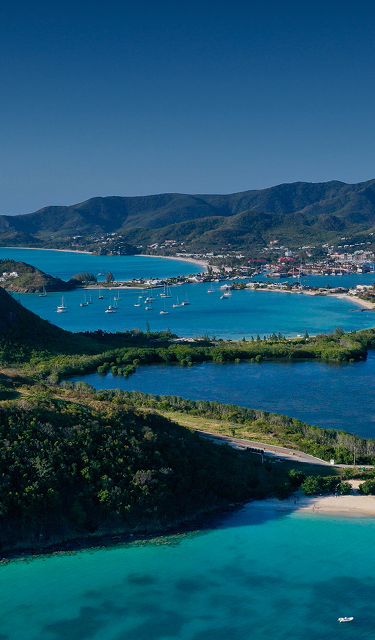
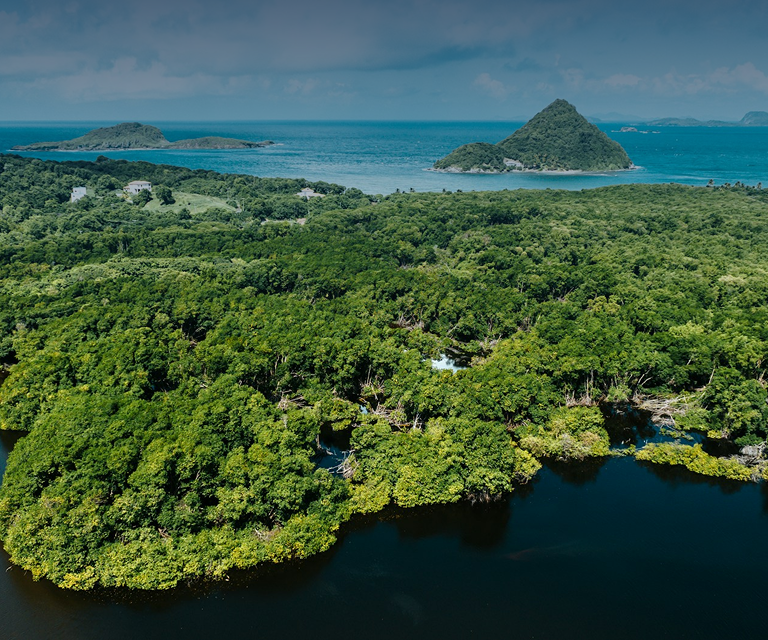
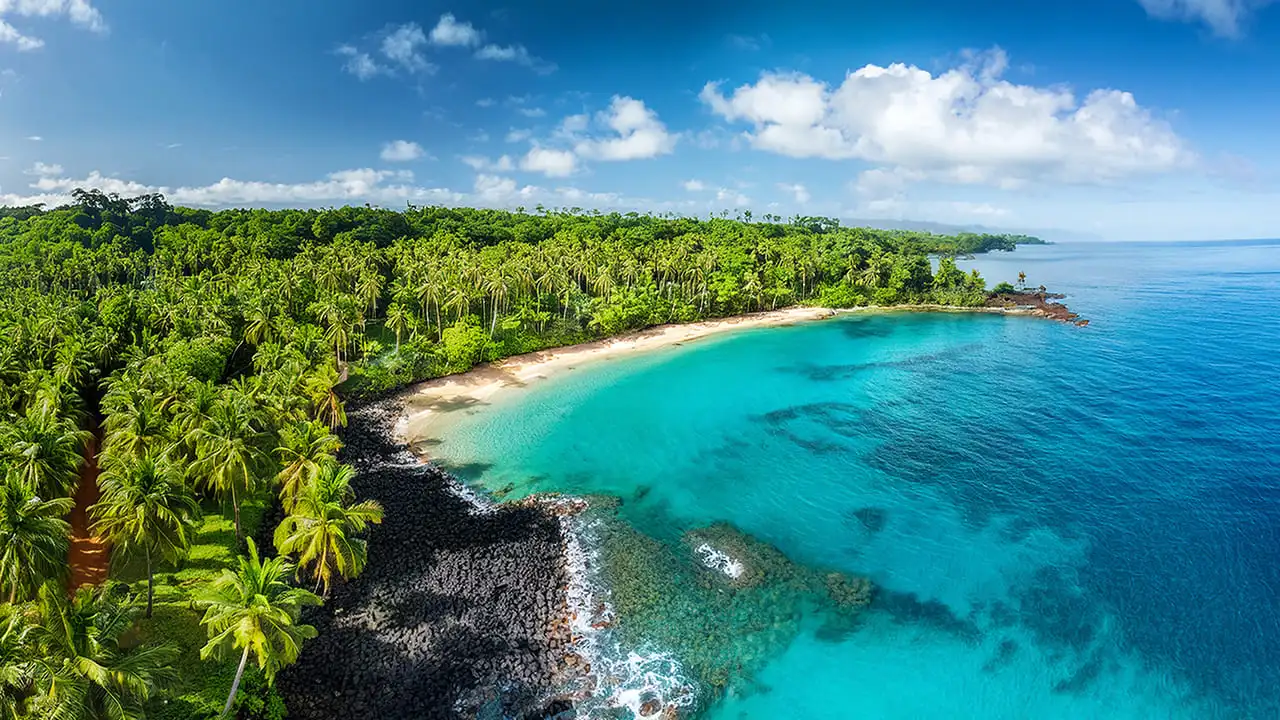
São Tomé and Príncipe is located in the Gulf of Guinea, off the western coast of Central Africa, about 250 km from Gabon. The islands sit almost directly on the equator, giving them a year-round tropical climate and making them one of the most biodiverse and ecologically pristine destinations in the Atlantic.
Feature
Detail
Capital
São Tomé
Population
~240,000
Official Language
Portuguese
Currency
São Tomé and Príncipe Dobra (STN), pegged to EUR: 1 EUR ≈ 24,700 STN (as of September 2025)
Climate
Tropical, humid, 25–28°C year-round
Time Zone
GMT
Area
1,001 km² (São Tomé) + 142 km² (Príncipe)
São Tomé and Príncipe carries a deep Portuguese heritage that remains visible in the country’s culture, architecture, and language. Discovered by Portuguese explorers in the late 15th century, the islands remained under Portuguese colonial rule for nearly 500 years, serving as a strategic outpost and later as an important center for sugar, coffee, and cocoa production. To this day, Portuguese is the official language, reflecting centuries of cultural exchange, while colonial-era churches, forts, and plantation houses continue to shape much of the islands’ architectural landscape.
The movement for independence gained momentum in the 1960s, in line with broader African decolonization. After Portugal’s Carnation Revolution in 1974, negotiations advanced quickly, and São Tomé and Príncipe declared independence on July 12, 1975. The country adopted a one-party socialist system at first, led by the Movement for the Liberation of São Tomé and Príncipe (MLSTP).
In the early 1990s, São Tomé and Príncipe transitioned to a multi-party democracy, one of the first African nations to do so peacefully. Since then, it has maintained a relatively stable political environment, with regular elections and a reputation as one of the most democratic countries in Africa.
How Expensive is it to Live in São Tomé and Príncipe?
Moderate cost of living: $1,250–$1,900/month for a couple, cheaper than Europe but higher than many African countries for imports.
Local products like cocoa, bananas, and fish are inexpensive, while imported goods, electronics, and luxury items are costly. Housing and transportation remain affordable for expats. Safety and environmental quality contribute to a high standard of living.
Expense
São Tomé
Portugal
Nigeria
Rent (3-bedroom city apartment)
$650
$1,200–$2,500
$500–$800
Utilities (for a family)
$70
$250
$100–$200
Groceries
$250-300
$400–$600
$250–$350
Transport (one-way ticket)
$1.25
$2.34
$50–$100
Additional Notes:
Imported goods can cost 20–40% more than in Europe.
Local produce and seafood are cheaper than neighboring African countries.
How is Healthcare in São Tomé and Príncipe?
Basic healthcare is available locally; advanced treatment usually requires travel to Portugal or South Africa.
Public Sector
Access: Free for citizens, but mainly limited to primary care.
Costs: Patients often pay upfront for drugs, tests, and treatments, though children under five and pregnant women may be exempt.
Funding: Supported by government budgets, donor aid (notably Portugal and China), and revolving funds.
Limitations: Weak infrastructure, shortages of medicines, and limited specialist services. District facilities focus mainly on basic care.
Private Sector
Access: Concentrated in São Tomé city, requiring out-of-pocket payment or private insurance.
Funding: Entirely patient-paid.
Benefits: Faster access and slightly better standards (e.g., trauma care at Gnóstica Medical Center), but still constrained by national resource shortages.
What are the Education Options in São Tomé and Príncipe?
Limited international schools; most education in Portuguese; higher education often abroad.
Primary/Secondary schools: Mix of public (Portuguese curriculum) and private.
Languages: Mainly Portuguese, limited English and French in private schools.
International schools: Few options, mostly in São Tomé city.
Higher education: Most students study in Portugal or other EU countries.
Our recommendations:
Consider bilingual private schools for children.
Plan for university abroad if local options are insufficient.
What is Lifestyle and Culture like in São Tomé and Príncipe?
Relaxed “leve-leve” pace, eco-tourism, seafood cuisine, safe and friendly environment.
Pace of life: “Leve-leve” meaning calm and unhurried.
Tourism: Beaches, diving, eco-lodges, and cocoa tours.
Cuisine: Emphasis on seafood, tropical fruits, and local cocoa products.
Safety: Low crime rates (, friendly community interactions.
Culture: Portuguese influence mixed with local traditions; numerous festivals throughout the year.
Who Benefits Most from Living in São Tomé and Príncipe?
Expats: Prefer peaceful environment, friendly locals, and opportunities for business relocation.
Digital nomads: Reliable internet in urban areas, relaxed lifestyle, and cost-effective living.
Retirees: Warm tropical climate, affordable local goods, and safe communities.
How to Obtain Citizenship in Sao Tome and Principe?
Citizenship is available through the Citizenship by Investment (CBI) program, requiring a minimum donation of $90,000 to the National Development Fund. Processing typically takes around 6 weeks.
Eligibility:
Main applicant: 18+ years old, good health, legal standing, and clean criminal record
Family members: spouse, dependent children up to 30, parents over 55
Key Benefits:
Fast processing (~6 weeks)
No residency requirement
Visa-free access to 60+ countries
Favorable tax regime
Participation Costs
Submission fee
$5,000
Donation – single applicant
$90,000
Donation – family (2–4 members)
$95,000
Additional dependents
$5,000 per dependent
Newborn inclusion (after citizenship is obtained by the entire family)
$500
Passport fee
$350 per person
National ID
$150 per person
Certificate of registration
$250 per person
Conclusion
São Tomé and Príncipe combines natural beauty, low population density, and investment-friendly programs. Expats and investors benefit from relaxed lifestyle, low cost of living, eco-tourism, and strategic positioning in Africa. For retirees and digital nomads, the islands offer tranquility and affordability, while the citizenship-by-investment program enables global mobility.
Take advantage of one of the world’s most affordable citizenship-by-investment programs and secure visa-free travel to over 60 countries, including Singapore and Hong Kong. As one of the first licensed agents of the São Tomé and Príncipe Citizenship program, Astons provides full legal support and step-by-step guidance. Begin your journey to a stronger, safer future today!
Learn more
Request a Free Consultation
Contact us to secure your citizenship efficiently, optimize tax exposure, and expand your global mobility and business opportunities.












 +44 207 043 6026
  +357 252 30233
  +971 454 01311
  +902 129 008 710
  +302 112 340 656
  +1 (888) 2033901


 6-minute read
  6-minute read
  670 views
  Share
Share 




 Learn more






 Your Data is Protected