Investment immigration in 2026 has become a structured and institutionalised pathway for individuals seeking residency or citizenship through economic contribution. Unlike discretionary migration routes, investment programs operate under clearly defined legal frameworks: capital is deployed into a host country’s economy, and in return, the investor receives residency rights or citizenship status.
Broadly, programs fall into two categories. Citizenship by Investment (CBI) grants nationality directly, without a prior residence period. Residency by Investment (RBI), often referred to as “Golden Visa” programs, provides a residence permit that can lead to permanent residency or naturalisation over time. Investment formats vary: real estate acquisition, government bonds, licensed funds, business creation, or non-refundable state contributions.
In 2026, investors are evaluating programs by long-term mobility value, tax exposure, geopolitical stability, and the scope of family inclusion. This guide outlines the main structures, compares available routes, and explains how to navigate due diligence and application procedures with precision.
Key Takeaways
Two Main Pathways:
CBI: Direct citizenship, no residency required, fast processing (e.g., Caribbean programs, Vanuatu, São Tomé).
RBI: Residency with potential for citizenship, requires some physical presence, suitable for relocation and tax planning (e.g., Greece, Portugal, USA, UAE).
Investment Options:
Real estate (tangible assets, rental potential).
Government bonds or licensed investment funds (low-risk, moderate returns).
Business investment (job creation, market presence).
Non-refundable contributions (fastest and simplest, no asset maintenance).
Global Mobility & Tax Benefits:
Visa-free or simplified travel to 60–150+ countries depending on the program.
Territorial taxation, Non-Dom regimes, or zero personal income tax in some jurisdictions.
Family & Lifestyle Advantages:
Programs typically cover spouses, children, parents, and sometimes siblings.
Access to stable education, healthcare, and financial systems.
Process Overview:
Selection → Document prep → Application submission → Due diligence → Investment → Issuance of status.
Average timelines: 1–18 months depending on CBI vs. RBI, country, and investment type.
Due Diligence is Key:
Governments verify financial history, criminal record, reputation, and source of funds/wealth.
Fees vary ($7,500–$15,000 per adult; lower for additional family members).
Application Success Factors:
Early preparation, certified translations, clear separation of wealth vs. funds, structured documentation.
Professional guidance (e.g., licensed agents like Astons) significantly improves approval rates.
Fast-Track & Accessible Programs:
Caribbean and Pacific programs (Dominica, Grenada, Vanuatu, São Tomé) provide rapid processing in 2–6 months with low investment thresholds.
European and North American programs offer strategic long-term benefits but require higher investments and slightly longer timelines.
What Is Investment Immigration?
Investment immigration is a legal mechanism that allows foreign nationals to obtain residency or citizenship in another country by making a qualifying economic contribution. The contribution may take the form of purchasing approved real estate, investing in a licensed fund, subscribing to government bonds, launching a business, or making a state development donation.
What Investment Immigration Options Exist?
There are two principal models in the global market:
CBI (Citizenship by Investment). These programs allow applicants to obtain a passport directly without long-term residence. They do not require relocation or a naturalisation period and are largely focused on global mobility and obtaining a second passport. Popular examples include Caribbean programs such as Grenada, Antigua and Barbuda, Dominica, and Saint Lucia.
RBI (Residency by Investment). These programs grant a residence permit that can be renewed and later converted into permanent residency or citizenship. Residence requirements (full or minimal) apply. This option is suitable for relocation, business expansion, and tax planning. Examples include residency programs in Greece, Portugal, the United States, the UAE, and other countries.
How Is Investment Immigration Different from Traditional Immigration?
Investment immigration is fundamentally distinct from traditional immigration routes. Traditional pathways such employment, family reunification, or student visas rely on discretionary approvals, quotas, and often lengthy processing times. Applicants may face subjective assessments, language exams, sponsorship requirements, or integration obligations, and outcomes are not guaranteed.
Additionally, investment immigration is faster, highly structured, and internationally recognised. Applicants can plan strategically, anticipate timelines and costs, and often engage licensed agents to manage documentation and submissions, reducing uncertainty and risk.
How Does Investment Immigration Work?
The investment immigration process follows a formal, step-by-step procedure defined by the rules of each specific program. Although requirements vary by country, the core stages are generally the same:
The investor selects a program and investment type (real estate, fund, business, or government contribution) based on their goals, budget, and timeline.
Document preparation follows: proof of source of funds, personal and family information, as well as legal and financial checks. At this stage, the application file is structured in line with the migration authority’s requirements.
The official application is then submitted, and the government initiates a Due Diligence review, including compliance, sanctions, and reputational checks.
The final stage is the decision and issuance of status — temporary residency, permanent residency, or citizenship. The investment is confirmed or completed at the stage required by the program.
On average, the process takes from 1 to 18 months depending on the program format (CBI or RBI), the country, and the chosen asset. In many jurisdictions, applications can only be submitted through authorized agents or licensed consultants, who are responsible for the accuracy of the file, communication with government authorities, and minimising the risk of refusal.
Why Choose Investment Immigration?
Global Mobility
Investment programs provide visa-free or simplified access to numerous countries, depending on the jurisdiction. For example, European programs grant the right to move freely within the Schengen Area and significantly simplify both business and personal travel.
Tax Optimization and Financial Benefits
Many countries offering investment programs apply territorial taxation or zero personal income tax. This enables investors to legally structure income, reduce tax exposure, and access more flexible banking and financial systems.
Advantages for Business and Investments
Investment immigration facilitates entry into new markets such as the EU, ASEAN, and the Middle East, and simplifies international business expansion. It also allows asset diversification through overseas real estate and reduces the risks of capital concentration in a single country.
Family Security and Quality of Life
Investors gain access to more stable education and healthcare systems, including internationally recognized universities where residents often benefit from lower tuition fees. It is also an effective tool to protect family members from political and economic instability and to plan long-term intergenerational wealth.
Speed and Certainty
Processing timelines are transparent and tied to the investor’s fulfillment of program requirements, investment completion, and due diligence. Early preparation, comprehensive documentation, and professional guidance are key factors that enhance certainty and reduce the likelihood of delays.
Investment Immigration Options
Real Estate Investment
The most common format, where the investor purchases property approved under the immigration program. The minimum threshold typically starts from €250,000, and the property must be held for 3–7 years. This approach combines an immigration objective with potential rental income and is best suited for those who prefer tangible assets. Examples include programs in Greece (€250,000+) and Turkey ($400,000).
Government Bonds and Investment Funds
In this model, the investment is directed into government bonds or licensed investment funds. The investment range usually spans from €250,000 to $1 million, with a holding period of 3–5 years. Returns are generally modest, but the structure is clear and capital repayment terms are predefined. This option is preferred by risk-averse investors. Examples include funds in Portugal and government bonds in Malta.
Business Investments
This format involves establishing or financing a business that meets the program’s requirements. Minimum amounts are typically higher (from $800,000 to $1.5 million+) and a key condition is the creation of 5–10 jobs, often alongside the investor’s active involvement in management. It is suitable for entrepreneurs and business owners seeking a real market presence. Classic examples are the US EB-5 program and Canada’s Start-Up Visa.
Non-Refundable Contributions
The simplest and fastest option, where the investor makes a contribution to a government development fund. Investment amounts usually range from $90,000 to $250,000. The capital is not returned, but there are no asset maintenance costs. These programs typically offer the shortest processing times and minimal administrative burden. This format is optimal for those who value speed and simplicity and is widely used in Caribbean programs, as well as in São Tomé and Vanuatu.
Popular Investment Immigration Countries
Caribbean Citizenship Programs
Dominica
Dominica offers one of the most affordable and reliable CBI programs: citizenship is available from $200,000 either via a non-refundable state fund contribution or the purchase of approved real estate with resale possible after 3 years. Processing takes from 4 months, requires no residence, and is fully remote. The passport provides visa-free access to 140+ countries. The application can include a spouse, children up to 30, and parents, making it an efficient family solution with a low entry threshold.
Grenada
Grenadian citizenship is available from $235,000 within 6+ months, fully remotely and without residence requirements. Investors may choose a contribution to the National Transformation Fund or approved real estate from $270,000. The passport offers visa-free access to 140+ countries, including the EU and China, and uniquely allows eligibility for the US E-2 business visa. Family inclusion covers spouses, children, parents, and siblings.
Antigua and Barbuda
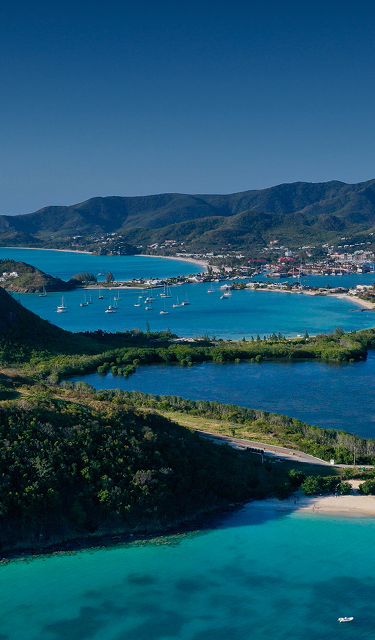
Citizenship from $230,000 in about 8+ months, with fully remote processing and no travel required. The passport allows visa-free or simplified access to 150+ countries, including Schengen states, Hong Kong, and Singapore. Family members including spouse, children, parents, and siblings may be included. The physical presence requirement is minimal: 5 days within the first 5 years.
Saint Lucia
Citizenship from $240,000 in about 10 months, with no residence or travel requirement. Options include a state fund contribution, real estate, or government bonds. The Saint Lucia passport provides visa-free or simplified access to 140+ countries, including the EU. Applications may include spouse, children, parents, and siblings.
European Residency Programs
Greece
The Greek Golden Visa program grants EU residence through real estate investment starting from €250,000. Residency can be obtained in about 4 months with no permanent stay requirement. The permit is valid for 5 years, extendable, and covers the investor’s spouse, children, and parents without increasing the investment amount. It allows legal residence in Greece, free movement within the Schengen area up to 90 days per 180-day period, and use of the property for rental income. Compliance with program conditions opens the path to permanent residency after 5 years and Greek citizenship after 7 years.
Portugal
Portugal offers EU residency with investments from €500,000. Processing takes approximately 18 months, with minimal stay requirements – 14 days every 2 years. Investment options include venture and investment funds, business projects creating jobs, or non-refundable contributions to cultural, scientific, and research projects. The Portuguese residency by investment program covers the entire family: spouse, children, and financially dependent parents — without additional investments. Residents can freely travel within 29 Schengen countries and may apply for Portuguese citizenship after 7–10 years without the need for permanent residence.
Cyprus
Cyprus offers one of the fastest permanent residency (PR) programs in the EU: investments from €300,000 in new developer property grant lifetime residency in about 8 months. No permanent stay is required; only a visit for biometrics and then one visit every 2 years. Investments must be in primary property, single or multiple units. PR covers the investor’s family without extra cost. Employment as a salaried worker is not allowed, but business ownership and income generation are permitted. Annual income proof of €50,000 is required. PR status provides access to the European financial system and tax benefits, including the Non-Dom regime, but does not allow Schengen visa-free travel. Citizenship may be applied for after 8 years of residence.
Long-term property rental (5 years): From €169,000, or
Property purchase: From €474,000.
PR status covers the investor and family, allowing living, working, studying, and doing business in Malta, plus free travel within 29 Schengen countries for up to 90 days per 180-day period. Only Malta-sourced income is taxed. Citizenship eligibility arises after 5 years of residency.
Astons handles Malta residency by investment applications by partnering with the local licensed agent (RES-IMMV).
Middle East and Asia Programs
UAE
The UAE residency by investment program allows investors to obtain a residence visa through property purchase, with processing in about 2 weeks during a single visit. Residency covers the investor and family members (spouse, children, and parents) and does not require permanent residence to maintain the visa. Two options are available:
2-year visa: Property investment in Dubai from $204,000, or
10-year visa: Investment of $545,000 in any of the seven emirates.
Properties must be in freehold zones and remain owned for the visa duration. UAE residency provides access to one of the world’s most favorable tax regimes with no personal income tax, full business rights, and banking services.
Turkey
Turkey’s citizenship by investment program allows obtaining a passport in about 8 months with no residency requirement. Minimum investment is $400,000, typically via residential or commercial real estate, which can be rented or resold after 3 years without losing citizenship. Citizenship extends to the investor’s spouse and minor children, provides visa-free access to 114 countries, simplifies opening bank accounts and business operations, and ensures access to the national healthcare and education system.
North American Programs
USA EB-5 Program
The EB-5 investor visa allows obtaining permanent residency through investment:
$800,000 in a government-approved project, or
$1,050,000 in a personal business project.
Processing takes about 12+ months, with the capital held for 5 years. Status covers the investor, spouse, and children under 21, does not require employer sponsorship, and grants rights to live, work, and study anywhere in the U.S. After 5 years, permanent residents can apply for U.S. citizenship. Investment returns may be possible depending on the project.
Fast-Track Options
Vanuatu
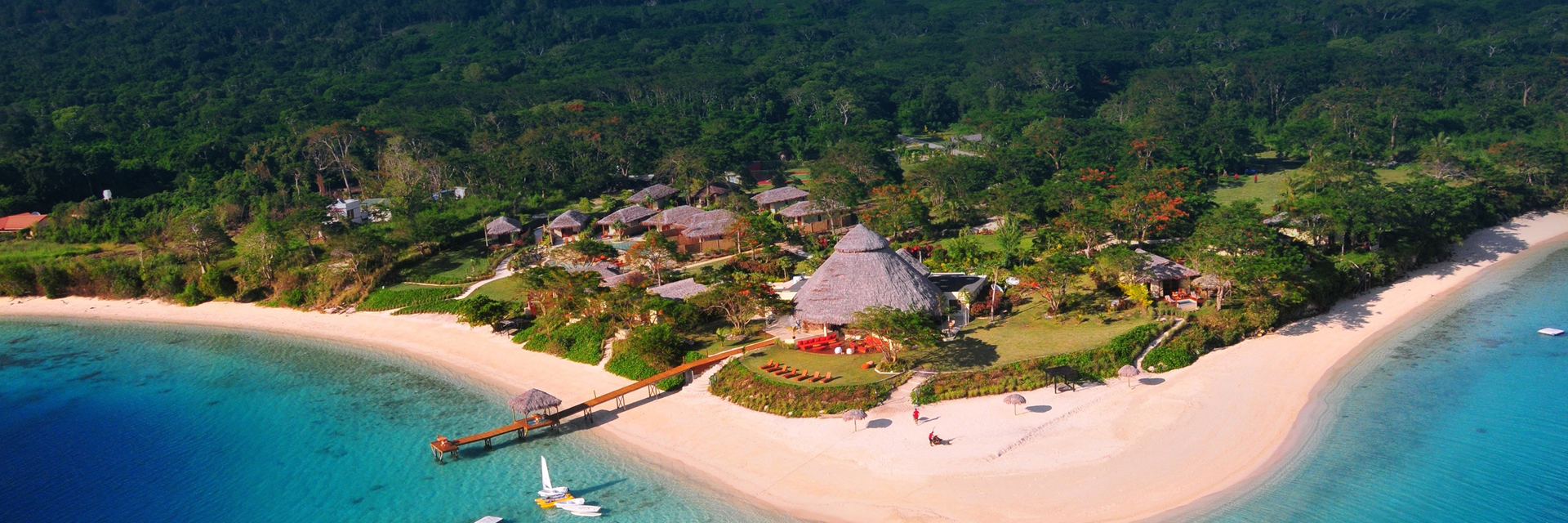
Vanuatu offers one of the fastest and most accessible citizenship programs. A non-refundable contribution of $130,000 grants citizenship in about 3 months. The passport covers the investor and family (spouse, children, parents) and provides visa-free or simplified access to 90+ countries, plus easier EU and U.S. visa applications. Vanuatu also features a neutral tax regime with no tax on global income, capital gains, or inheritance.
São Tomé and Príncipe
Sao Tome and Principe provides an affordable and rapid citizenship program via a $90,000 non-refundable contribution to the National Transformation Fund. Citizenship is granted in about 2 months, fully remote, without residency or interviews. The program covers the investor, spouse, financially dependent children up to 30, and parents over 55. The passport offers visa-free or simplified access to nearly 60 countries and serves as a neutral tool for obtaining EU residence permits.
Nauru
Nauru offers a low‑threshold citizenship by investment pathway through a non‑refundable contribution to its national development fund, starting at $90,000 ( under the limited time offer valid until 30 June 2026). Citizenship is typically granted within about 3-4 months, and the process can be completed remotely without any residency requirement. The program allows inclusion of the principal applicant’s spouse, children, parents, grandparents, and siblings. A Nauruan passport provides visa‑free or visa‑on‑arrival access to 85 + destinations, including strategic travel hubs across Asia and Oceania.
What Is Due Diligence?
Due diligence is a mandatory stage for all residence and citizenship by investment programs. At this stage, the government conducts a comprehensive review to ensure that the applicant’s funds are legitimate, that the applicant has no legal issues, and that there are no reputational or security risks associated with granting them residency or citizenship.
Typically, the due diligence process is carried out by government authorities, often with the assistance of independent professional agencies that specialize in background checks and financial investigations. The process generally takes from 3 to 6 months, depending on the complexity of the applicant’s financial and personal history, as well as the requirements of the specific program. The main purpose of this stage is to protect the country from financial crimes, corruption, and misuse of investment immigration programs for illegal purposes.
What is Checked During Due Diligence?
1. Financial History
During due diligence, authorities conduct a thorough examination of the applicant’s financial background. This includes documenting the origin of the funds used for investment, ensuring that all money is legitimate and traceable. Typically, the review covers:
Bank statements for the past 6–12 months, demonstrating the movement of funds
Tax returns for the past 3–5 years, to confirm consistent income reporting and tax compliance
Documentation of business ownership, real estate, and other assets
Authorities pay special attention to activities related to money laundering, tax evasion, or any other financial irregularities. The applicant’s declared income should be logically consistent with the size and type of investment they intend to make. Any unexplained discrepancies or unusual transactions can be flagged for further investigation.
2. Criminal Record
A key component of due diligence is verifying the absence of any criminal history. Applicants are checked against a variety of international databases, including:
Police clearance certificates from all countries where the applicant has resided
Interpol databases
International sanctions lists, including OFAC, EU, and UN lists
Authorities consider serious criminal convictions, ongoing investigations, and associations with terrorist organizations or organized crime networks as automatic disqualifiers. Lesser offenses may also be considered, depending on the country and the nature of the program.
3. Reputation and Compliance Profile
Even in the absence of a criminal record, authorities evaluate the applicant’s overall reputation. This includes:
Whether the applicant is classified as a politically exposed person (PEP), which may entail additional scrutiny
Any previous inclusion in sanctions or watch lists
Negative media coverage or involvement in publicly reported scandals
Past visa refusals, immigration violations, or professional and regulatory sanctions
Authorities aim to assess whether granting residency or citizenship could pose reputational or political risks for the country. Even minor reputational issues may affect the outcome if they suggest risk of non-compliance or future legal problems.
4. Source of Funds vs. Source of Wealth
It is important to distinguish between the source of wealth and the source of funds:
Source of wealth: documents how the applicant’s overall net worth was accumulated, including career earnings, business income, investments, inheritance, or other legitimate channels
Source of funds: documents the origin of the specific money being used for the investment—for example, proceeds from the sale of a business, real estate transactions, dividends, or gifts
Both must be fully documented, verifiable, and logically consistent. Authorities cross-check that the source of funds is compatible with the applicant’s overall wealth and income history. Any discrepancies may result in additional scrutiny or rejection of the application.
5. Cost of Due Diligence
The cost of due diligence depends on the country, type of program, and scope of family coverage:
Caribbean citizenship by investment programs: typically range from $7,500 to $10,000 per adult applicant
European residency and permanent residency programs: usually range from $10,000 to $15,000 per adult applicant
For family members, reduced rates generally apply, ranging from $5,000 to $10,000 per person
These fees cover the comprehensive background checks, financial audits, and legal verification processes required to ensure the safety, security, and integrity of the investment immigration program.
How to Prepare a Strong Application
Preparing a successful application starts with working with a trusted and experienced agent who understands the requirements of the specific program and how they are applied in practice. The structure, completeness, and clarity of your documents play a critical role in how efficiently and accurately authorities can assess your due diligence.
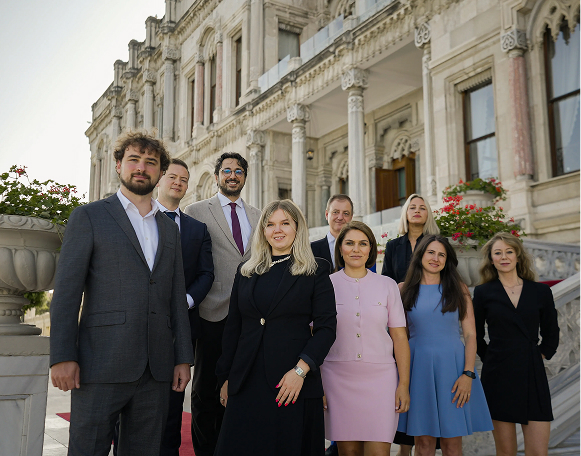
Astons supports investors at every stage of the process: from compiling the list of required documents to submitting the application and liaising with immigration authorities. In practice, the quality and thoroughness of this support often determine the final outcome.
Documents for Investment Immigration
A basic application package includes personal and financial documents.
Personal documents typically include:
Passport
Birth certificate
Marriage certificate / divorce certificate (if applicable)
Police clearance certificates from all countries of residence exceeding six months
Medical certificates
Proof of residential address
Financial documents are crucial and usually include:
Bank statements for the past 6–12 months
Tax returns for the past 3–5 years
Employment contracts or proof of business activity
Proof of property ownership
Statements from investment accounts and portfolios
Contracts for purchase or sale of assets
Documentation of gifts or inheritance (if applicable)
Business financial statements
Audited company accounts (for business owners, if required)
Common Reasons for Application Rejection
Rejections in investment immigration programs are generally linked to risks identified during the review of the applicant’s file and supporting documents. Common causes of refusal include:
Incomplete documentation or inconsistencies between submitted data
Insufficient or weak proof of the source of funds and source of wealth
Hidden or undisclosed criminal history, ongoing investigations
Connections with individuals or organizations under sanctions
Previous visa refusals or immigration law violations
Financial crimes, suspected money laundering, or failure to meet program requirements
Submission of false, misleading, or contradictory information
Negative media mentions without explanations or supporting documentation to refute them
A well-prepared application, supported by thorough documentation and professional guidance, significantly increases the likelihood of approval and helps avoid delays or complications in the due diligence process.
How to Strengthen Your Application in Practice
Start preparation early (6 months or more)
Early preparation allows you to calmly collect documents from different countries, retrieve archives, obtain bank and tax certificates, and resolve discrepancies before submitting the application, rather than during due diligence.
Use certified translations and apostilles
Documents not in English must be translated by accredited translators. For international recognition, an apostille is often required, which can take weeks or months to obtain.
Clearly separate source of wealth and source of funds
The application should separately show how the applicant’s overall wealth was formed (career, business, investments, inheritance) and where the money for the specific investment comes from. Both must be documented and logically consistent.
Present a consistent financial history
The flow of funds should be logical and continuous, without unexplained gaps, sudden income spikes, or unclear transactions. A clear chronology simplifies the work for authorities and reduces additional document requests.
Structure documents by year and event
Group documents by periods and types of income so that authorities can quickly reconcile tax returns, bank statements, and asset confirmations.
Work with experienced immigration consultants
Astons specialists are familiar with program requirements, common “red flags,” and the correct dossier format. This helps avoid formal and substantive errors, increasing the likelihood of approval.
Maintain full transparency
Any complex matters (previous visa refusals, unusual income, business in high-risk jurisdictions) should be disclosed and explained in advance. Concealing information almost always leads to issues during due diligence.
Prepare backup documentation
Governments often request additional confirmations. Having supporting certificates, contracts, and explanatory letters ready in advance allows quick responses and prevents delays in application processing.
Investment Immigration Application Process
Step 1. Program Selection
The process begins by defining your goals: speed, minimal costs, visa-free travel, tax benefits, or eventual citizenship. Astons experts help prioritize these criteria and shortlist 3–5 suitable programs. During an initial consultation, you can evaluate program requirements and risks, narrowing the choice before starting paperwork.
Step 2. Planning
After selecting a program, you sign an agreement with a licensed Astons consultant. All fees and conditions are agreed upon upfront. Detailed consultation covers tax and legal aspects, a complete document list is compiled, preparation timelines are set, and the main process milestones are fixed.
Step 3. Document Collection
Applicants gather all personal documents: passports, birth and marriage certificates, and proof of residence. Financial documentation and proof of source of funds, including translations and notarizations, are prepared, and medical exams are completed if required. Astons specialists ensure all documents are collected correctly and in full.
Step 4. Application Preparation
Together with Astons, applicants complete official government forms for the chosen program. Specialists compile the documents into a single package, check for errors and compliance, and the applicant approves the final version before submission.
Step 5. Application Submission
The completed dossier is submitted to the authorized government agency. At this stage, government fees and due diligence fees are paid. The applicant receives official confirmation and a case number.
Step 6. Due Diligence Check
Authorities conduct a comprehensive review of the applicant’s biographical and financial information. Additional documents or clarifications may be requested. Prompt and complete responses are essential. Astons consultants assist in all communications until the review is complete.
Step 7. Application Approval and Investment
After preliminary approval, the applicant completes the investment according to program requirements: purchases property, government bonds, or makes a non-refundable contribution. Investment confirmation is submitted to authorities for final verification.
Step 8. Issuance of Citizenship or Residency
Upon final approval, the applicant may, if required, take an oath of allegiance. Biometric data is recorded, and the passport, residence card, or citizenship certificate is issued, confirming the new immigration status.
Learn more
Request a Free Consultation
Experts at Astons will help you choose the optimal strategy for participating in available residency and citizenship-by-investment programs.



































 +44 207 043 6026
  +357 252 30233
  +971 454 01311
  +902 129 008 710
  +302 112 340 656
  +1 (888) 2033901


 18-minute read
  18-minute read
  511 views
  Share
Share 














 Learn more





 Your Data is Protected