In the era of globalisation, a passport has become a valuable asset that defines opportunities for travel, business, and even immigration. Yet not all passports offer the same privileges when it comes to freedom of movement, ease of doing business, quality of life in a given country, or access to social benefits and protections.
Here, we explore the strongest passports in the world and share insights on how to obtain a second citizenship to expand your freedoms and opportunities.
What Defines the Strength of a Passport?
There are several rankings and passport indices, each taking into account different criteria: from the number of visa-free countries passport holders can visit, to quality of life, efficiency of document processing, and the strength of national economies.
Therefore, choosing the best second citizenship depends on your personal priorities: some people seek a second passport for easier travel, others value favourable business conditions, while some prioritise an overall higher standard of living.
It is also worth noting that the strength of a passport often correlates with the difficulty of acquiring it. Strong passports that combine rare visa-free destinations and global opportunities are almost impossible to obtain unless you were born in the country or have direct family ties. That’s why when selecting the best option, one should consider not only the advantages but also the feasibility of achieving the goal.
Let’s look at the key characteristics most commonly considered in global passport rankings.
Visa Freedom and Number of Visa-Free Countries
The most common measure of a passport’s strength is the number of countries one can travel to visa-free or obtain a visa upon arrival. The more destinations available, the stronger the passport. However, it’s crucial to assess which specific countries are included.
For example, access to the United States and the United Kingdom is particularly valuable, as their visas are often complex to secure due to rigorous checks. This is why the Japanese passport is regarded as a stronger asset than Caribbean passports, and why European passports granting access to both Schengen and the US are so highly prized.
Applying for visas is often costly, time-consuming, and visas themselves are temporary and must be constantly renewed. Beyond financial costs, they restrict mobility, while visa-free access provides new opportunities.
This factor is especially critical for citizens of countries with limited mobility. For instance, Afghan passport holders can only visit 25 countries visa-free; Turkmenistan, 48; Armenia, 69. Chinese citizens face difficulties with visa applications, making them a key audience for citizenship-by-investment programmes.
Opportunities for Work and Living Abroad
Another factor determining a passport’s strength is its potential to improve quality of life. Rankings take into account multiple indicators: GDP levels, economic development, respect for civil rights and the rule of law, and the Human Development Index (HDI).
The HDI is a composite measure used since 1990 by the UN Development Programme to compare living standards globally. It considers life expectancy, economic prosperity, sustainable development, gender equality, wellbeing, and even national happiness levels.
A passport’s strength also depends on how easy it is to do business in a country and how favourable its tax regime is. These aspects are essential for entrepreneurs and professionals seeking employment. The World Bank’s Ease of Doing Business Index evaluates the simplicity and quality of regulations, as well as property rights protection.
Ranking of the World’s Strongest Passports
Here is the top ranking of the world’s strongest passports according to Astons. The ranking is based on weighted averages across several factors: number of visa-free or visa-on-arrival destinations, quality of life, GDP (purchasing power parity), HDI, ease of doing business, happiness index, and corruption perception.
1st Place – Denmark
Visa-free destinations (incl. visa on arrival and ETA): 188
Ease of doing business: 4th place
Corruption perception ranking: 1st place
GDP per capita (PPP): 17th place
HDI ranking: 5th place
Happiness index: 2nd place
Numbeo quality of life ranking: 3rd place
A Danish passport allows travel to 149 countries visa-free, 27 countries with visa-on-arrival, and 12 with ETA. Denmark consistently ranks among the top 3 countries to live in due to its high quality of life, safety, healthcare, and education. The country also has the lowest corruption levels worldwide, excellent environmental standards, and some of the happiest citizens globally.
The cost of living is relatively high, particularly in Copenhagen and major cities: average monthly expenses per person, excluding rent, are around €1,100. Taxes are also high, with VAT at 25% and income tax reaching up to 55% under a progressive system. However, these are offset by a stable economy, very low unemployment (2.5%), high salaries, and extensive social protections such as free healthcare, education, and strong pensions.
Citizenship requires 9 years of legal residence (6–8 for spouses of citizens, 2 years for Nordic citizens), 2 of which must be with permanent residence. Applicants must also pass Danish language and law tests. Denmark allows dual citizenship unless the applicant’s country of origin prohibits it.
2nd Place – Norway
Visa-free destinations (incl. visa on arrival and ETA): 190
Ease of doing business: 9th place
Corruption perception ranking: 5th place
GDP per capita (PPP): 7th place
HDI ranking: 2nd place
Happiness index: 7th place
Numbeo quality of life ranking: 8th place
A Norwegian passport grants visa-free access to 145 countries, with visa-on-arrival for 32, and ETA access to 13. Citizenship requires 8 years of residence within the last 11, with absences limited to no more than 2 consecutive months. Applicants must pass language and civic exams.
Norway is known for its strong economy, social protections, and natural beauty. Its economy is supported by oil, gas, forestry, fishing, and tourism, providing citizens with high living standards. The country ranks near the top of HDI, reflecting quality of life. Salaries are among the highest in Europe, with free education and healthcare for citizens.
An alternative route to a Norwegian passport is through obtaining citizenship in another EU country and then relocating to Norway, where one may qualify for a Norwegian passport after just 3 years.
3rd Place – Singapore
Visa-free destinations (incl. visa on arrival and ETA): 194
Ease of doing business: 2nd place
Corruption perception ranking: 3rd place
GDP per capita (PPP): 1st place
HDI ranking: 9th place
Happiness index: 34th place
Numbeo quality of life ranking: 38th place
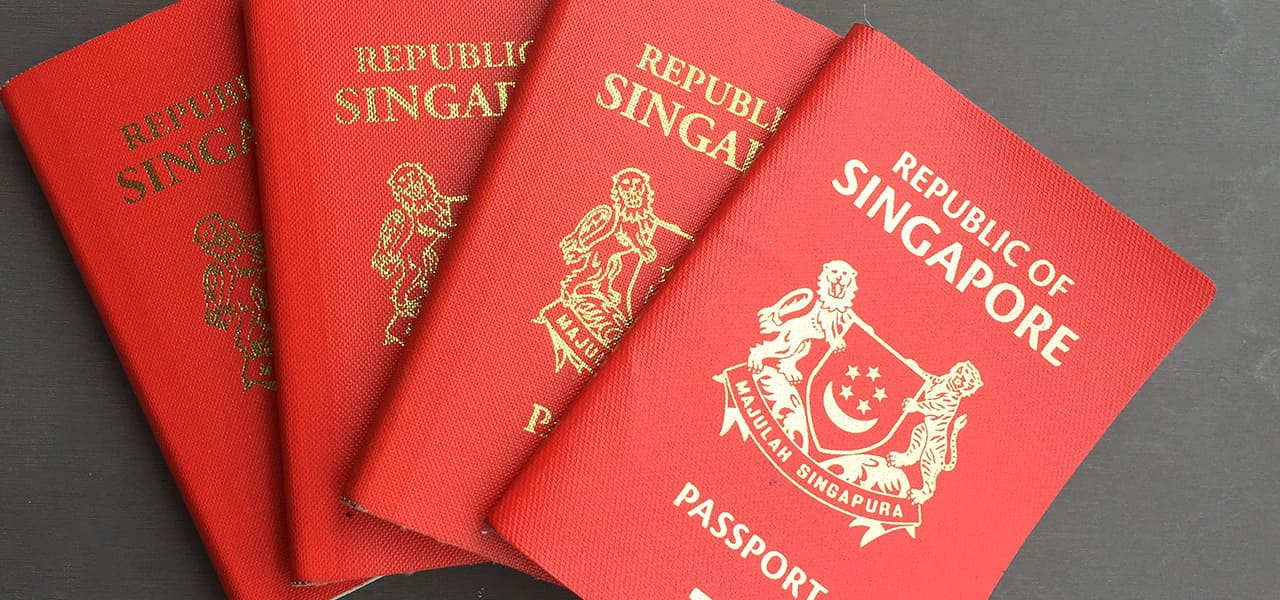
A Singaporean passport grants visa-free access to 155 countries, visa-on-arrival to 28, and ETA access to 11.
Singapore is widely regarded as one of the most liveable and modern countries in the world, attracting expatriates, entrepreneurs, and international students. Its tropical climate, multicultural society, and economic stability make it a global hub. Over 30% of its population consists of foreigners.
The economy is robust, with a favourable tax system and a pro-business environment. As Asia’s financial centre, Singapore draws global investment, generating high employment levels and prosperity. Citizens enjoy high wages, excellent healthcare, and a reliable social system.
Citizenship can be obtained after 2 years of permanent residence, which itself is granted via investment, business, or family reunification. Spouses of citizens qualify in 2 years. However, applicants must renounce their original citizenship, as Singapore does not allow dual nationality.
4th to 10th Place
4th – Sweden
Visa-free destinations: 188
Ease of doing business: 10th
Corruption ranking: 8th
GDP per capita (PPP): 25th
HDI: 5th
Happiness index: 4th
Numbeo quality of life: 10th
Citizenship: 8 years (5 for Nordic citizens, 3 via marriage). Dual citizenship allowed.
5th – Netherlands
Visa-free destinations: 188
Ease of doing business: 42nd
Corruption ranking: 9th
GDP per capita (PPP): 12th
HDI: 10th
Happiness index: 5th
Numbeo quality of life: 2nd
Citizenship: 5 years (3 via marriage). Generally no dual citizenship.
6th – Finland
Visa-free destinations: 188
Ease of doing business: 20th
Corruption ranking: 2nd
GDP per capita (PPP): 29th
HDI: 12th
Happiness index: 1st
Numbeo quality of life: 6th
Citizenship: 8 years (5 via marriage, 2 for Nordic citizens). Dual citizenship allowed.
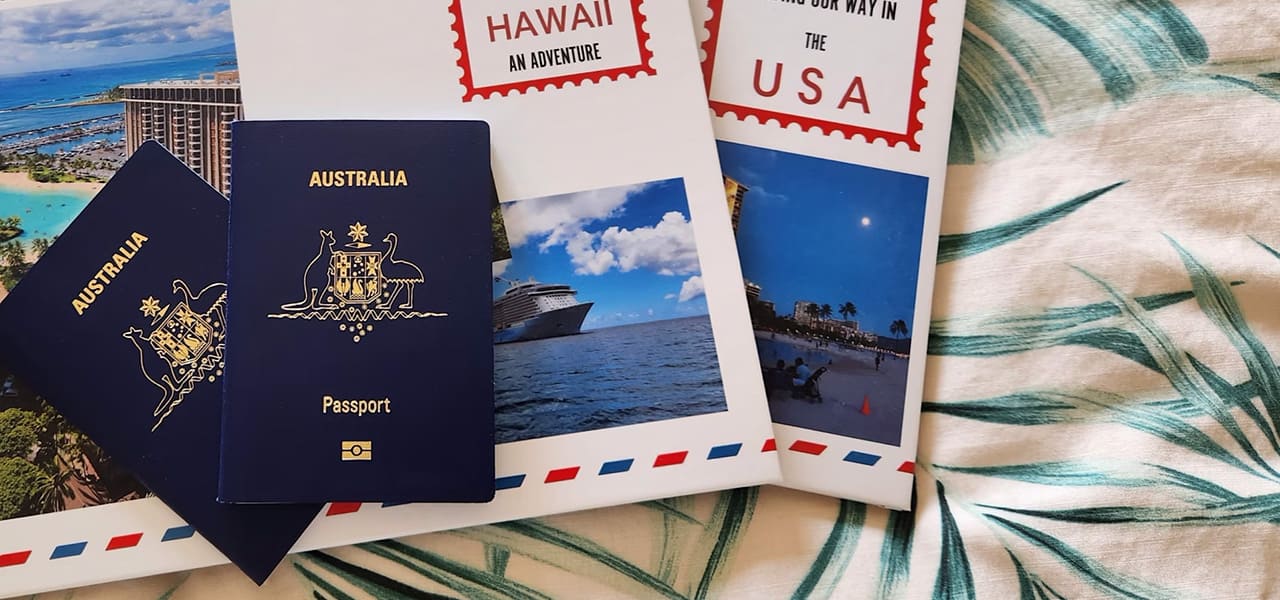
7th – Australia
Visa-free destinations: 185
Ease of doing business: 14th
Corruption ranking: 10th
GDP per capita (PPP): 20th
HDI: 10th
Happiness index: 11th
Numbeo quality of life: 13th
Citizenship: 4 years. Dual citizenship allowed.
8th – Luxembourg
Visa-free destinations: 188
Ease of doing business: 72nd
Corruption ranking: 5th
GDP per capita (PPP): 2nd
HDI: 20th
Happiness index: 9th
Numbeo quality of life: 1st
Citizenship: 5 years. Dual citizenship allowed.
9th – Iceland
Visa-free destinations: 184
Ease of doing business: 26th
Corruption ranking: 10th
GDP per capita (PPP): 14th
HDI: 3rd
Happiness index: 3rd
Numbeo quality of life: 7th
Citizenship: 7 years (4 with residence, 3 with PR). Dual citizenship allowed.
10th – New Zealand
Visa-free destinations: 187
Ease of doing business: 1st
Corruption ranking: 4th
GDP per capita (PPP): 38th
HDI: 16th
Happiness index: 12th
Numbeo quality of life: 12th
Citizenship: 5 years. Dual citizenship allowed.
How Can You Obtain One of the World’s Strongest Passports?
Obtaining a strong passport is a challenging but achievable task. There are several paths toward this goal, each with its own features.
Citizenship by Birth and Naturalisation
In most cases, citizenship is granted by birth: either by right of blood (if the parents are citizens of the country) or by right of soil (simply being born on that country’s territory). The right of soil is primarily applied in countries that historically sought to attract immigrants and increase their population. Today, this principle exists in the USA, Canada, Argentina, Brazil, and others.
Another option is to prove eligibility for citizenship by descent, or through repatriation, if your ancestors were previously citizens. However, these routes are highly specific and not suitable for everyone.
A more realistic way to obtain another country’s passport is naturalization. This involves legally residing in the country for a defined period (domicile) and demonstrating assimilation — knowledge of the language, traditions, customs, and laws.
The downside of naturalisation is that it requires significant time and permanent residence in the country, which usually implies a change of tax residency. Typically, the domicile period ranges from 5 to 10 years, and in some countries even longer. For example:
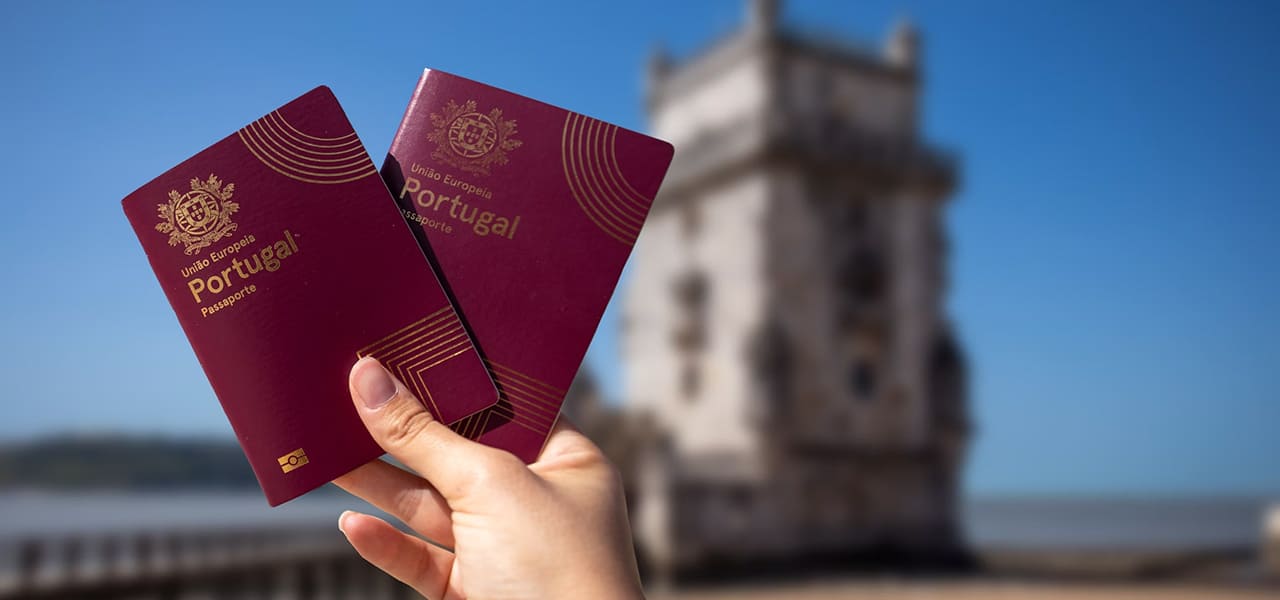
Portugal: 5 years (though there are plans to extend this period),
Spain: 10 years,
UAE: 30 years, provided certain conditions are met.
Some countries offer fast-track naturalisation. For instance, most countries have simplified routes for spouses of local citizens. In Germany, the standard domicile requirement is 5 years, but it may be reduced to 3 years for individuals with C1-level language proficiency, or for foreigners with exceptional achievements in work or study and proven integration into society.
Citizenship by Investment Programs
Some countries run “golden passport” programmes, where foreigners can acquire citizenship through investments in real estate, state funds, or key economic sectors.
These programs differ significantly from standard naturalisation: there is no need to live in the country, wait for years, or learn the language and laws. Citizenship is not tied to ancestry and can often be obtained in as little as 3–6 months for the main applicant and family members, provided the investment requirements are met.
Examples include Turkey, Egypt, Vanuatu, Nauru, and several Caribbean states. In the past, certain EU countries — such as Cyprus and Malta — also offered such programmes, but these have since been closed. An EU passport remains highly desirable, granting visa-free travel across the Schengen Zone and the right to live and work in any EU country.
One of the fastest and most affordable investment citizenship options is offered by Vanuatu. Processing takes 1–3 months, with minimum contributions starting from $130,000. Vanuatu citizens enjoy visa-free access to more than 90 countries, including Singapore and Hong Kong.
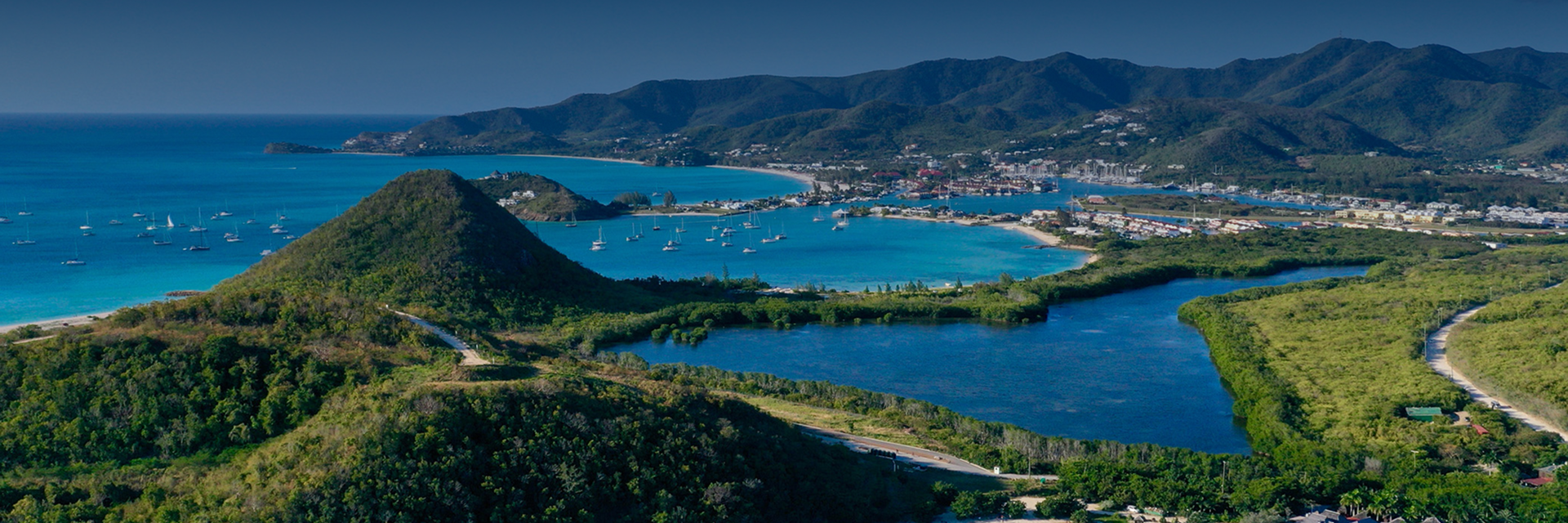
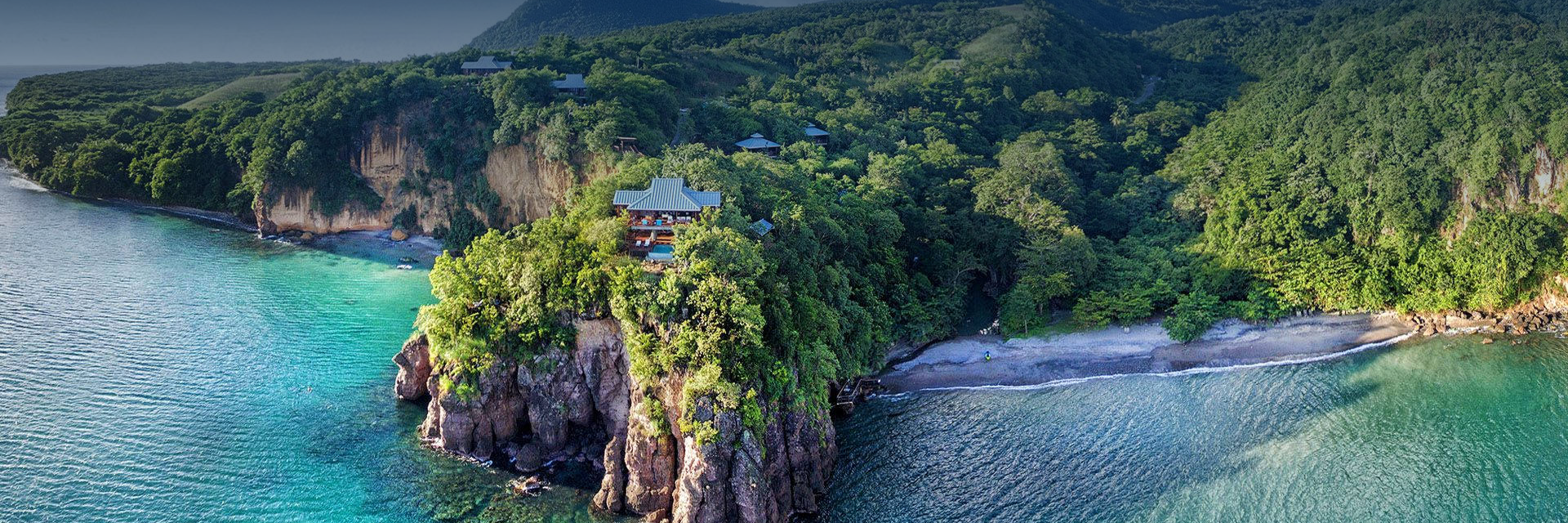
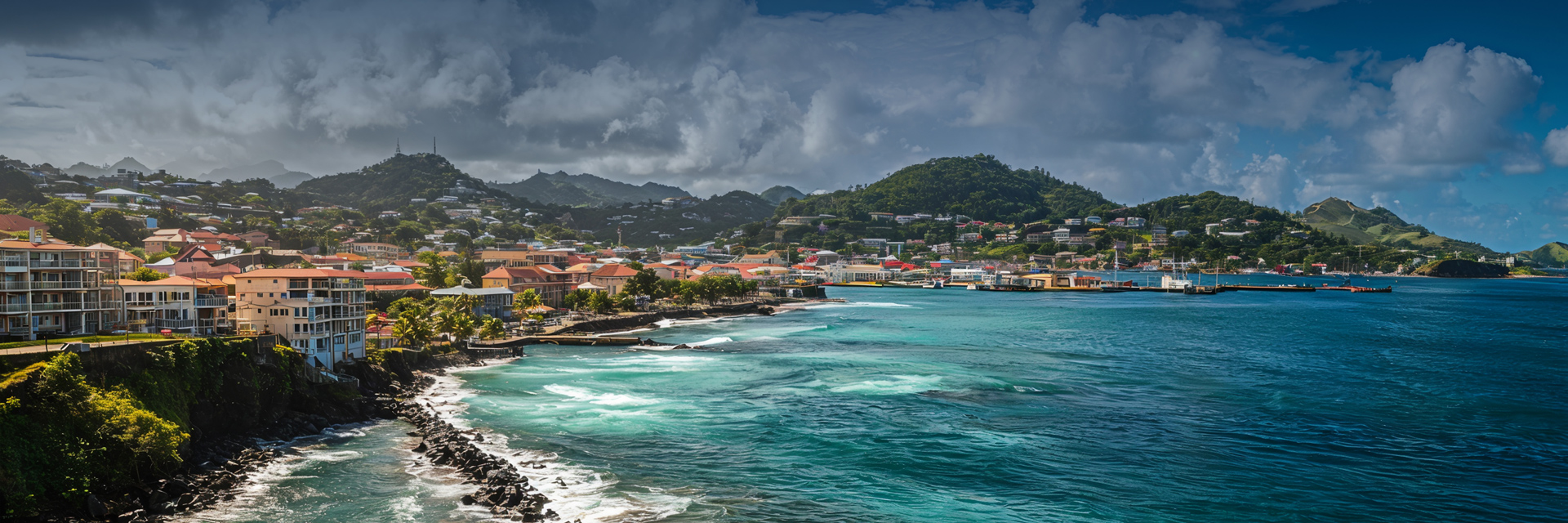
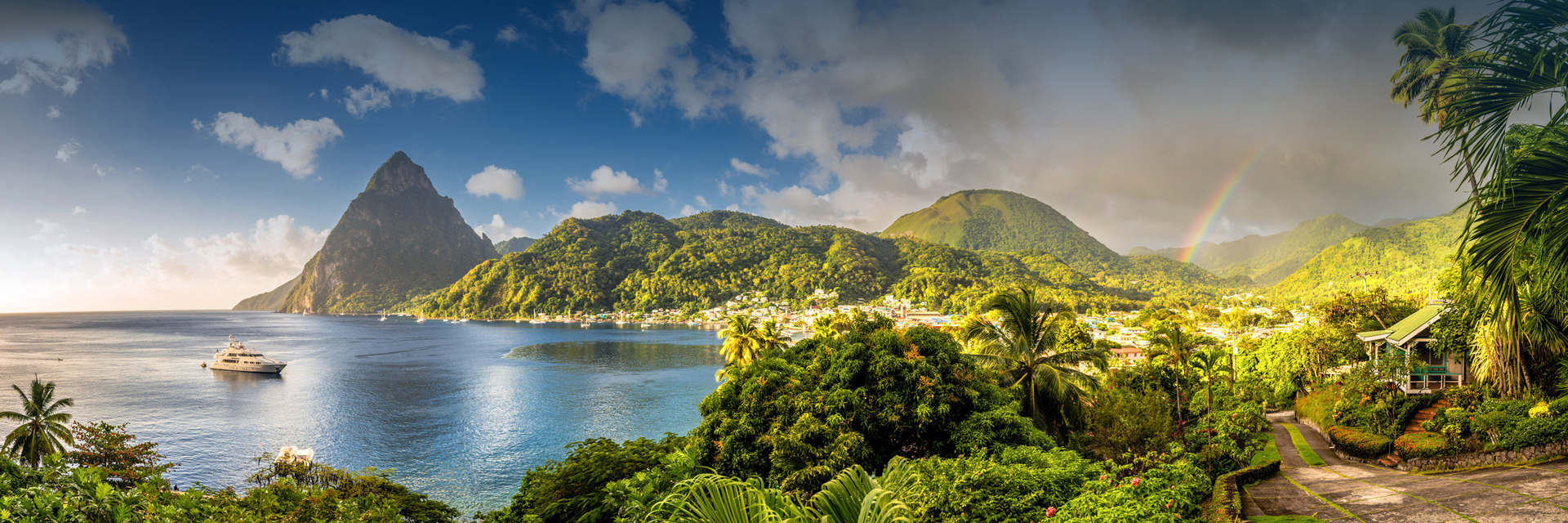
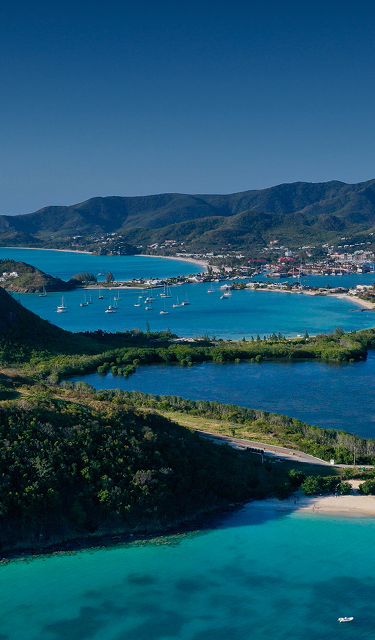
Caribbean programs remain among the most popular and efficient. Citizenship in Grenada, Dominica, Saint Lucia, Antigua & Barbuda, or Saint Kitts & Nevis can be obtained within 4–8 months through either real estate purchase or a non-refundable contribution to state funds. Entry thresholds begin at $200,000.
Another option exists in El Salvador, where citizenship can be obtained for investments of $1 million, or the equivalent in Bitcoin. The program is capped at 1,000 applicants per year and is designed to attract investment into IT, high-tech, and crypto industries.
Passports obtained through investment may not be the absolute strongest globally, but they still provide a wide range of advantages: additional visa-free destinations, favorable conditions for doing business, and tax optimization opportunities.
Residency by Investment: A Pathway to Citizenship Through Naturalization
Naturalisation remains a legal path to citizenship worldwide. Foreigners who reside legally in a country under a residency permit (temporary or permanent) and meet the residency requirements can apply for citizenship after a set number of years — typically from 5 years onwards.
Residency can be obtained on various grounds: education at a local university, employment, marriage, family reunification, etc. One of the most effective methods, however, is investment — in real estate, securities, state funds, or non-refundable contributions to key sectors of the economy. In most cases, family members of the investor are included in the residency status.
Golden Visa programmes offer wide-ranging benefits:
Visa-free travel
The right to conduct business
Access to the global banking system.
At the same time, investors often acquire a liquid asset that appreciates in value. In some cases, investments may be returnable. Holders of Golden Visas are not obliged to permanently reside in the host country, change their tax residency, or shift their center of life unless they choose to.
Residency by investment can be the first step toward citizenship. However, this usually requires compliance with residency periods, language exams, knowledge of local laws and culture, and proof of integration into society.
Countries Offering Residency by Investment
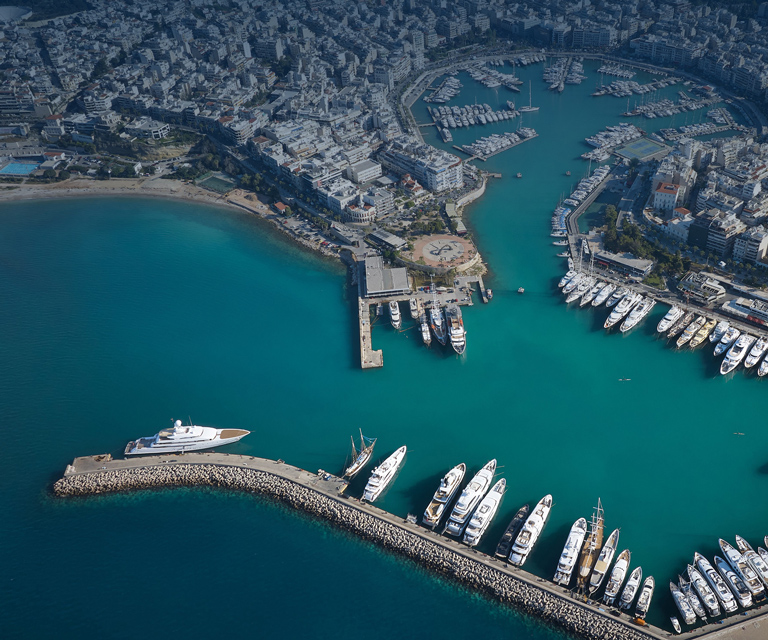
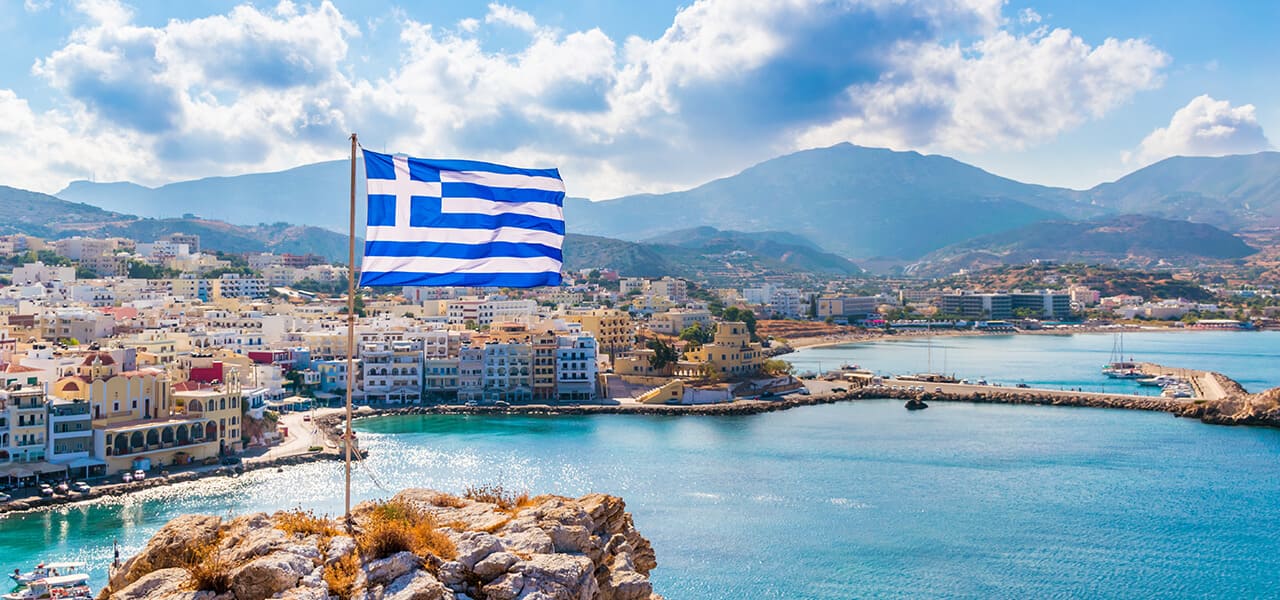
Greece: The Greek Golden Visa offers several options, with a minimum entry threshold of €250,000 for real estate — one of the most affordable in the world. Residency permits are valid for 5 years for the investor and family, renewable as long as the investment is maintained. Citizenship is possible after 7 years, provided the applicant does not spend more than 6 months per year abroad, and no more than 10 months in total during the entire period.
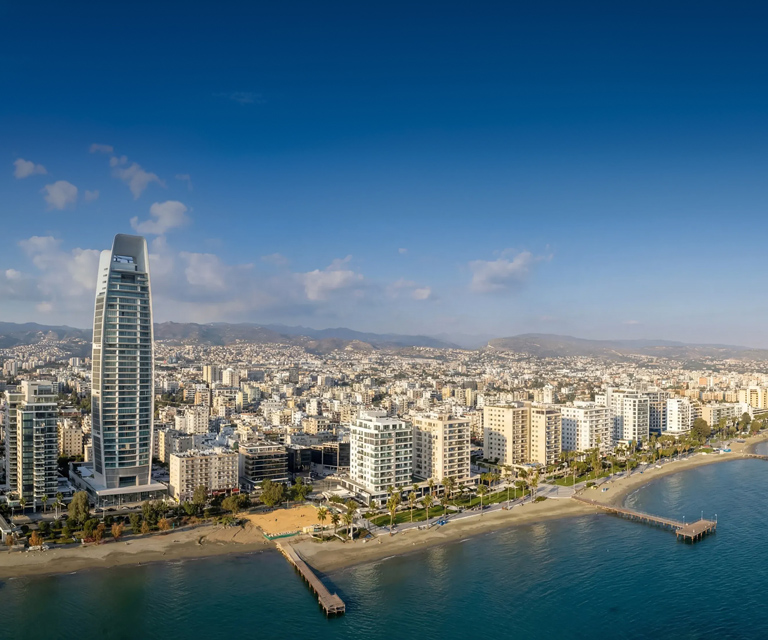
Cyprus:Permanent residency is available with a real estate purchase starting from €300,000. Citizenship requires 8 years of residence within 10 years, with over 183 days annually spent in the country. In the final year before application, the absence must not exceed 90 days.
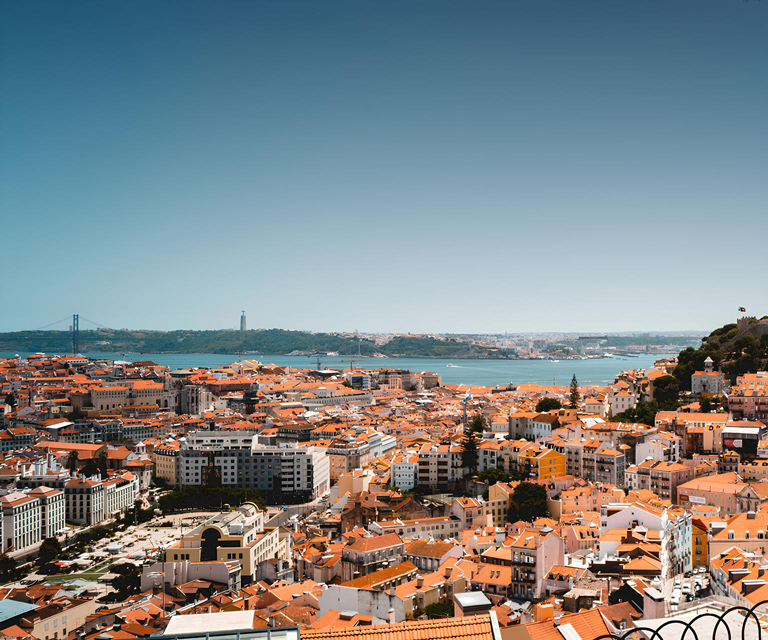
Portugal: The Golden Visa requires investment in funds from €500,000. Citizenship is possible after 5 years of residence, with a minimum stay of 183 days annually. This makes Portugal one of the fastest routes to naturalisation in Europe.
Italy: The Italian Golden Visa requires investments of at least €500,000 in shares of local companies. Citizenship is available after 10 years of residence, provided the applicant does not spend more than 10 months outside the country during that period.
Hungary: Recently relaunched its investment residency programme. Participants invest €250,000 in investment funds, and residency is granted for 10 years. Citizenship is possible after 8 years of residence, with no absences longer than 45 days annually.
United States: The EB-5 Investor Visa requires a minimum investment of $800,000 in a business. Applicants may apply for citizenship after 5 years, of which 30 months must be spent continuously in the U.S.
In all cases, applicants must pass language and local knowledge tests to qualify for citizenship. However, for those who do not intend to pursue citizenship, Golden Visa residency often comes with little or no physical stay requirement.
Conclusion
In summary, passport strength directly affects global mobility and access to opportunities. In today’s interconnected world, a single passport is often not enough for conducting business, opening accounts, traveling visa-free, or securing personal and family freedoms. Obtaining a second citizenship is therefore not just a means of diversifying assets and opportunities, but increasingly — a necessity.
If your current passport is not among the strongest, this does not mean your goals are unattainable. There are legitimate paths to acquiring another country’s citizenship, offering broader access to travel and business. Importantly, you don’t always need to focus solely on the top 10 passports; many within the top 25 provide similar advantages and can be obtained more easily.
Though the process may be complex and require effort, with the right approach and expert guidance, solutions are always available.
Learn more
Request a Free Consultation
Book a free consultation today and let our specialists help you choose the best country for your family
Which passport is the strongest in terms of visa freedom in 2025?
The world’s best passport for visa-free travel is Singapore’s, offering access to 194 countries: 155 visa-free, 28 with visas on arrival, and 11 with electronic travel authorizations (ETA).
Alexander Kosovskiy
Senior Citizenship & Residency Advisor
Which countries offer citizenship by investment?
Only a handful of countries do. Turkey and Egypt allow citizenship with investments starting at $400,000 and $250,000 respectively. Vanuatu offers the fastest and most affordable program. In the Caribbean, five countries — Dominica, Grenada, Saint Lucia, Antigua & Barbuda, and Saint Kitts & Nevis — run Golden Passport programmes. El Salvador has launched a programme requiring investments of $1000,000 (also payable in Bitcoin).
Alexander Kosovskiy
Senior Citizenship & Residency Advisor
How does the passport ranking change over time?
The ranking is dynamic and influenced by many factors. Countries that actively sign visa-free agreements improve their position, while political crises or economic instability can cause declines. Thus, passport rankings reflect not only current mobility but also broader geopolitical trends.
Alexander Kosovskiy
Senior Citizenship & Residency Advisor
Where is it easiest to obtain a second citizenship?
The fastest and most affordable route is Vanuatu, where citizenship can be acquired in 1–3 months for investments starting from $130,000. Applicants must be over 18 and have no criminal record.
Alexander Kosovskiy
Senior Citizenship & Residency Advisor
What advantages does a powerful passport provide?
The ability to travel worldwide without visas: no need to spend time and money on applications, worry about embassy rejections, or track visa days.
Alexander Kosovskiy
Senior Citizenship & Residency Advisor
Can a country lose its position in the passport ranking?
Yes. Shifts in visa policies, political instability, economic problems, or other countries improving their agreements can lower a passport’s ranking.
Alexander Kosovskiy
Senior Citizenship & Residency Advisor
What documents are typically required for obtaining second citizenship?
A standard set includes:
Valid international passport;
Birth certificate;
Marriage certificate (if applicable);
Residency card or permanent residence permit;
Police clearance certificate;
Health certificate;
Health insurance;
Proof of residence (rental agreement or property ownership documents);
Proof of financial means (bank statements, employment certificate, tax return);
For naturalization: documents confirming residency period, language skills, knowledge of laws and customs, or ancestry rights;
Completed application form;
Payment receipt for state fees;
Photographs.
Depending on the country and programme, additional documents may be required.
Alexander Kosovskiy
Senior Citizenship & Residency Advisor
Still have questions?
Support details to capture customers that might be on the fence.

















 +44 207 043 6026
  +357 252 30233
  +971 454 01311
  +902 129 008 710
  +302 112 340 656
  +1 (888) 2033901


 17-MINUTE READ
  17-MINUTE READ
  388 views
  Share
Share 






 Learn more




 Your Data is Protected