The real estate market is evolving rapidly, with the most attractive investment opportunities appearing in new growth areas across Eastern Europe, Asia, and the Middle East.
Property prices in Greece, the Caribbean, and other fast-developing regions remain more affordable than in mature markets, while demand and returns are growing at a faster pace.
In this guide, we explore why these markets are drawing investors’ attention in 2025 and which countries present the most promising opportunities for real estate growth and returns.
Key Facts About Investment Real Estate Markets
Emerging markets consistently show higher property price growth compared to mature economies, averaging 5-15% annually versus 3-4% in developed markets.
Gross rental yields in growing economies remain attractive at 5-10% per year. In some high-demand locations like Dubai, Antalya, Budva, central Athens, or the Algarve, yields can reach 8–11%, particularly in tourist-heavy areas.
Mature markets such as the USA, UK, and Northern Europe offer lower growth potential due to saturation and high entry costs. Rental yields in these markets are generally 5-7%, with prime city areas often yielding 3-5%.
Entry price is a critical factor. Emerging markets provide more accessible property options, including city-center apartments or waterfront locations, enabling investors to participate in markets that may appreciate significantly over time.
However, risks are higher in emerging markets due to currency fluctuations, regulatory changes, mortgage costs, and reliance on external demand. Mature markets carry lower risk but also more limited growth potential.
Why Focus on the Fastest Growing Real Estate Markets?
Emerging real estate markets appeal to investors because they combine affordable entry prices with accelerated property value growth. Unlike mature economies, where growth potential is limited by established market dynamics, rapidly developing countries are often in active expansion phases.
Key growth drivers include:
Popular growth, increasing housing demand.
Infrastructure development: new roads, transport hubs, and commercial centres stimulate property value.
Economic expansion: rising employment, business activity, and foreign investment increase demand.
These factors create conditions where final returns can significantly outperform mature markets, making emerging markets particularly attractive for strategic real estate investment in 2025.
Higher Growth Rates
Property prices in these markets often rise quickly due to urban development, construction of new districts, and infrastructure improvements. As the economy expands, real estate appreciates alongside it, with new neighborhoods, transport links, and commercial hubs directly boosting demand and price per square meter.
Affordable Entry Prices
Investors can start with smaller capital outlays compared to mature markets. Lower entry costs allow acquisition in prime locations, such as city centers, coastal regions, or areas near transport hubs, maximizing potential appreciation and rental returns.
High Rental Yields
Rental demand in emerging markets often outpaces supply, resulting in higher yields. This can be driven by tourism, digital nomad inflows, or a growing labor market. In such environments, long-term and short-term rental rates increase faster than in mature economies.
Infrastructure Development
Emerging markets typically experience comprehensive development: roads, neighborhoods, transport hubs, and commercial centers are built, improving living standards and stimulating property demand. Simultaneously, local economies expand, entrepreneurship rises, and more jobs are created, making real estate a reliable tool for capital preservation and inflation protection.
Developed vs. Emerging Real Estate Markets
Metric
Emerging Markets
Mature Markets (USA, UK)
Annual Growth Rate
5–15% nominal. High in some countries with inflation (e.g., Turkey 10–20%). Average real growth 5–10%.
Low: high predictability, mature markets, stable institutions.
Top Emerging Real Estate Markets
Greece
Greek real estate continues to attract investors due to a combination of affordability, strong demand, and the Golden Visa program. In 2025, housing prices rose 8-9% YoY, with key cities seeing ~6% growth in Q1 alone. Foreign buyers account for over 30% of transactions in Athens, Thessaloniki, and major resort islands, reaching 70% on hotspots like Mykonos and Santorini.
Investment Opportunities:
Minimum Golden Visa investment: €250,000 for restoration/conversion properties.
Property types: apartments in city centers, villas, and tourist rentals.
Rental yields: 4.5–5% on average; short-term tourist rentals can generate 6–10% annually, with Mykonos and Santorini exceeding 10%.
Greek Golden Visa benefits: 5-year renewable residency, family inclusion, Schengen travel (90 days per 180 days), and rental income potential.
Cyprus
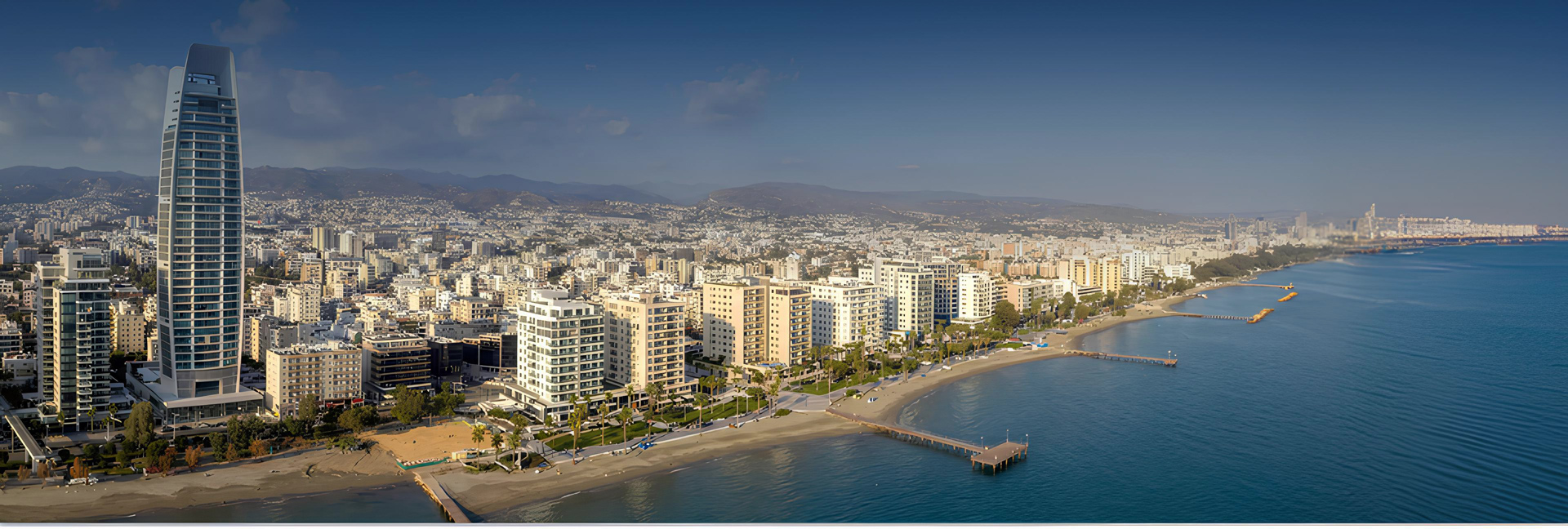
Cyprus’ real estate market remains one of the Mediterranean’s most dynamic. In 2024, transaction volume hit €5.71B, with apartment prices up 13.9% and houses up 4.7%.
Investment Highlights:
Most profitable: apartments; yields 5.4-7%, houses 3%.
Key locations: Limassol (yields up to 7%), Larnaca (+40% apartment sales growth), Nicosia (~5%), Paphos (~4%).
Luxury villas: €1.5M+; demand remains high for properties up to €250,000.
Golden Visa & Residency: EU residency via property purchase boosts demand and liquidity.
Malta
Maltese real estate growth continues due to tourism, limited land, and “Golden Visa” incentives:
2024: +14% property sales, +5.8% prices.
Apartments in Special Designated Areas: yields 4-5%; premium areas 5-10%, some projects 15%.
Japan’s market shows strong recovery: tourism +18%, housing prices in Tokyo, Kyoto, Osaka rising 5-7% (12-20% premium segment). Foreign buyers account for 20-40% of new sales in central districts.
Astons experts assist investors in selecting properties and strategies tied to citizenship/residency programs, offering calculations of returns, legal guidance, and end-to-end support.




































 +44 207 043 6026
  +357 252 30233
  +971 454 01311
  +902 129 008 710
  +302 112 340 656
  +1 (888) 2033901


 16-minute read
  16-minute read
  294 views
  Share
Share 











 Learn more





 Your Data is Protected